 EN
EN


Зашто је продужавање трајања на полици важно за прехрамбене компаније
Покварена храна је очигледан губитак за прехрамбене предузећа. Продавање хране и онда гледање како се расипа је губитак продаје и губитак састојака који чине храну. Срок трајања је важна компонента безбедности хране и важна компонента одржавања продуктивности пословања у области хране. Добар пример за то је кафић који мора да баци део своје печене хране јер пребрзо остаре. Због тога, прехрамбени бизнис не може да схвати концепт како паковање хране може продужити рок трајања. Због тога је тако важна трговина технолошком паковањем и потенцијално смањење расипања хране и могућност повећања њиховог пословања.
Како функционише паковање хране
Паковање хране које помаже у заштити хране од оштећења је паковање које храни не оштује. Три највећа опасности за свежест хране су недостатак кисеоника, превише влаге и излагање масноћи. Паковање хране углавном штити храну од влаге и масти и не мора бити спаљено да би било ефикасно. Постоји много различитих врста паковања за безбедност хране, а неке су ефикасније од других. На пример, када је безбедност хране важна, храна која је увита у папир за сигурност хране који је допуњен премазом који помаже у пролазу влаге ефикаснија је од хране која је увита само у обичан, непокривени папир. Погледајте пример сендвича са прженим пилећем. Ако се сендвич увије у папир који има премаз који помаже увлажњивању, масти из сендвича неће бити, а сендвич ће бити свежи 2-3 сата дуже него да је увијен у обичан папир. Пошто ФДА смернице за материјале који долазе у контакт са храном захтевају да буду направљени на начин који спречава раст бактерија, ови сертификовани папири заправо одговарају захтеву. Чак и неке опције за компостирање, као што су упаковања сертификована за BPI, одговарају рачуну. Они компостују, али такође делују као бариера, док је храна у свежем стању, тако да не морате да се компромитујете у погледу одрживости и трајања.
Структурни дизајн: Како облик паковања одржава храну свежо
Када се види паковање, структура се ретко сматра кључним аспектом, али материјали поред, она је једнако неопходна. Најбољи пример су двоструке топле чаше. Они не служе само за помоћ купцима да избегну самопогољење. Двострука зидова структура ствара мали џеб ваздуха који изолира пиће. Изолација је важна, јер спречава кондензацију која се обично формира са унутрашњих површина шоље, а која би иначе пала на кафу и разблажила је, чинећи је брже застарјењу. Двострука чаша омогућава свеже пиваном лате да одржи праву температуру и конзистенцију 4 сата дуже него једночашња чаша.
Створили смо чашу са двоструким зидовима са облогом која не дозвољава да се влага формира. Сада клијент не мора да баци чашу хладног пива после шест сати. Са новим шољама, купац сада може да држи хладно пиво у шољи цео дан. Чаше су боље од чаша са једним зидом. Успели смо да покажемо да боље паковање може постићи одличне резултате са ланацима кафића. Они се морају ослањати на чаше са једним зидом које имају двоструки зид. Купац има много више очекивања од одлагања него са чашом са једним зидом. Доказали смо да боље паковање може имати велике ефекте са ланцима кафића.
Сертификације: Останак поузданих тврдњи о трајању
Сертификати као што су ФДА, ФСЦ и БПИ имају важну улогу када је у питању трајање паковања: осигурање да паковање функционише како треба. На пример, када је амбалажа сертификована за БПИ, то значи да је компостираљива, а то такође значи да је слободна од "поквари" хемикалија које би могле угрозити свежину хране. Слично томе, амбалажа одобрена од стране ФДА је безбедна за храну и без контрадикторних хемикалија које се разлагају.
Једном смо радили са малим купцем пекарње који је имао папирну паковању без сертификата. Они су се жалили да су кроасани били запекли након 12 сати. Након што смо прешли на папир који је одобрена од стране ФДА, круасани су остали шлепљиви 24 сата. Несертификовани папир је имао премаз који је затварао влагу, док је FDA папир био дизајниран да дише, омогућавајући само праву количину ваздуха да би круасани били свежи. Папирне сертификације су обећање за перформансе.
Виши рок трајања радног периода значи већи профит. На пример, ако продавница у којој се продаје сандвич продужи трајање трајања сендвича за један дан, они могу да праве више сендвича истовремено и оптимизују свој рад. Плус, могу да прошире своје подручје испоруке. Са дужим временом свежести, могу да служе радијусу од 10 миља уместо радијуса од 5 миља.
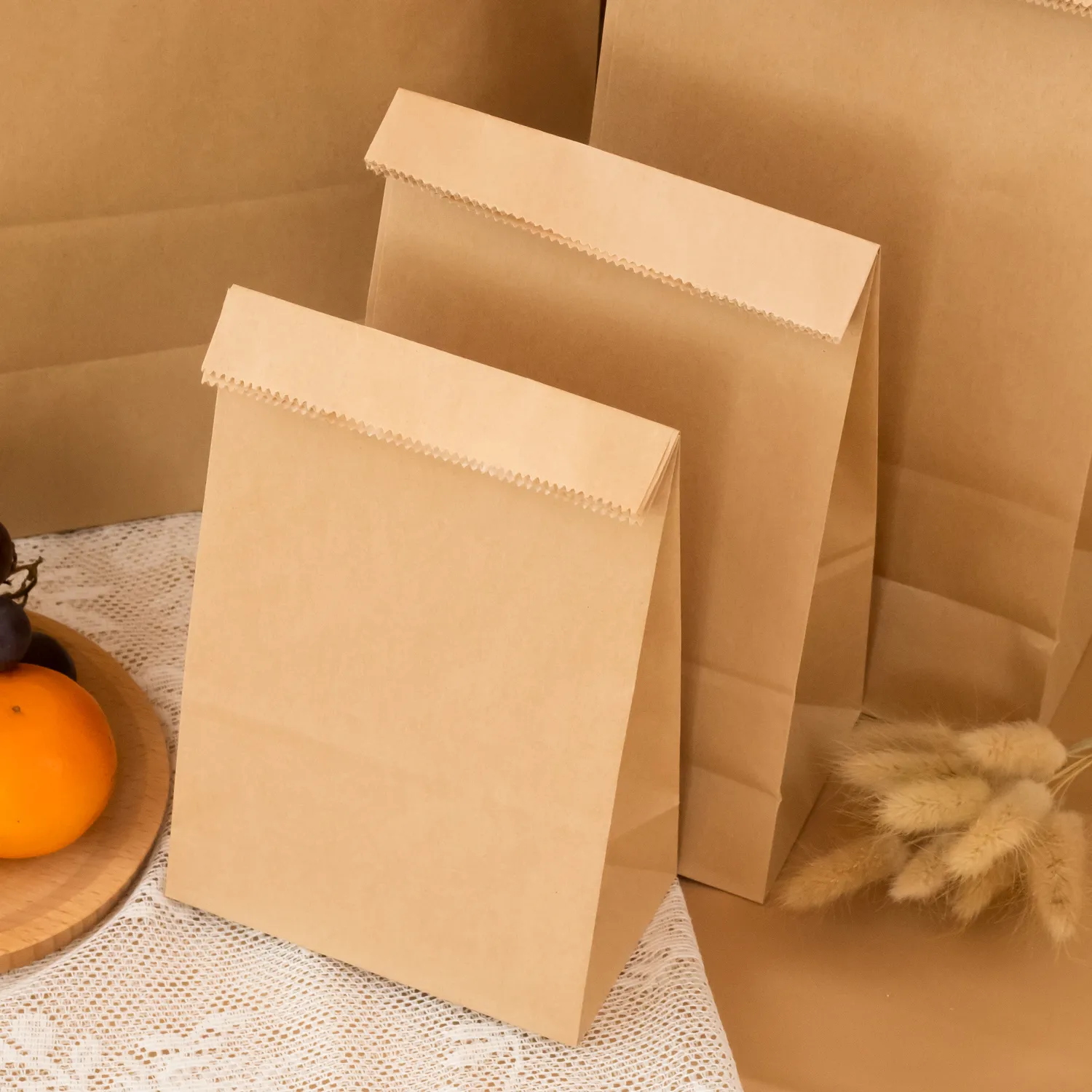
То смо искусили у локалном продавници, када су почели да користе специјалне SOS торбе за своје оброке. Појећице су чврстије, а због влажности, салате и сендвичи су свежи још 3 сата. Након што су почели да испоручују оброке канцеларијском парку преко улице, њихов приход је порастао за 20% за само један месец. У овом примеру, паковање је решило проблем приступа више купца.
Користите паковање хране као баријеру за заштиту хране, као баријеру за губитак хране и као баријеру за добијање више новца уместо да га гледате као начин да се троши новац. Ако се паковање користи, може се остварити профит и уз продужен рок трајања.