 EN
EN


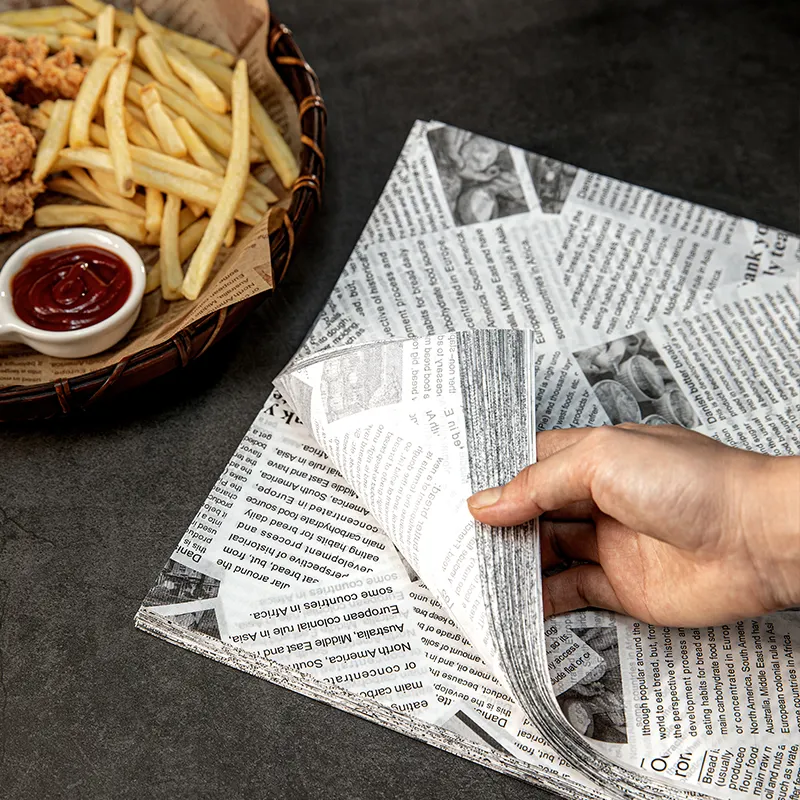
The Effect That Paper That Can Decompose Has In The Real World
A well-known coffee company received feedback because customers were unhappy with the amount of waste created from the plastic packaging. The company switched to using paper bags and cups, and within six months, the company was able to reduce the percentage of their plastic waste by 40%. This was not the first time this happened. Many businesses in the food and retail industry received the same feedback. After changing to using bags and cups made of paper that can decompose, the businesses were able to improve their customer loyalty and positive feedback from customers about the brand. These businesses received feedback that using paper that can decompose showed they were not just providing an environmentally friendly service. The businesses using products that can decompose from small truck shops to big retail companies, made the change very easy. This was especially true since wholesalers also provided special products made to fit their workflows.
How Biodegradable Paper Help Companies Do Business
The business world is filled with technical challenges, many of which biodegradable paper successfully tackles. Made from renewable materials like wood and pulp from certified sustainable forests, biodegradable paper improves over traditional paper. It breaks down after use and won't leave nasty residue. Most forms of traditional plastic don't break down either, but they can be recycled. However, they lose to biodegradable paper in other areas. It's not the safest option for food packing. However, biodegradable paper is safe for food. It meets American FDA, and international ISO safety standards for food contact. It's the perfect choice for things like food packaging because, unlike other forms of packaging, it doesn't lose its other functions. A good food bag example of this is a biodegradable paper food bag. It can hold the same amount of food as a traditional plastic bag, but when they drain it and throw it away, the biodegradable paper bag will be composted.
Expert Insights and Industry Recognition
Various environmental authorities stress the need for reducing plastic waste. The World Economic Forum reported that plastic pollution costs the world economy more than 40 billion dollars each year due to clean up and environmental damages. Experts say that biodegradable paper can help to solve this problem. Environmental certifications like BPI and CMA provide businesses with confidence in the sustainability claims of such products. To these businesses, certified endorsements are more than decorative, as they comply with global testing standards. By using certified biodegradable paper, businesses can make a real environmental impact, and not just greenwash.
Adding Value to Your Business Beyond Environmental Responsibility
There are great business benefits to switching to biodegradable paper. Most businesses find, over time, the total cost of ownership is lower as compostable packaging decreases costs eliminating penalties associated with non-compliant materials. More and more consumers are choosing biodegradable brands; packaging studies show that eco conscious packaging can improve customer retention by as much as 30 percent. Eco friendly packaging boosts brand reputation by increasing access to partnerships and markets that are eco conscious. Biodegradable paper is also much more flexible than its alternatives. This means that businesses can improve their market presence by designing their packaging in an environmentally responsible way.
Practical Tips for a Smooth Transition
Selecting biodegradable papers is simple. Look for recognized certifications that showcase paper quality and environmental claims. Think about your business needs. Does the packaging need to be food greaseproof? Should it be sturdy for retail? Partner with suppliers who have flexible order minimums and provide samples for operational testing. Surprisingly, most businesses find that changes to packaging processes are minimal. To ensure a smooth transition, choose materials that keep a balance among functionality, environmental sustainability, and economical sustainability. This will benefit the business and the Earth.