 EN
EN


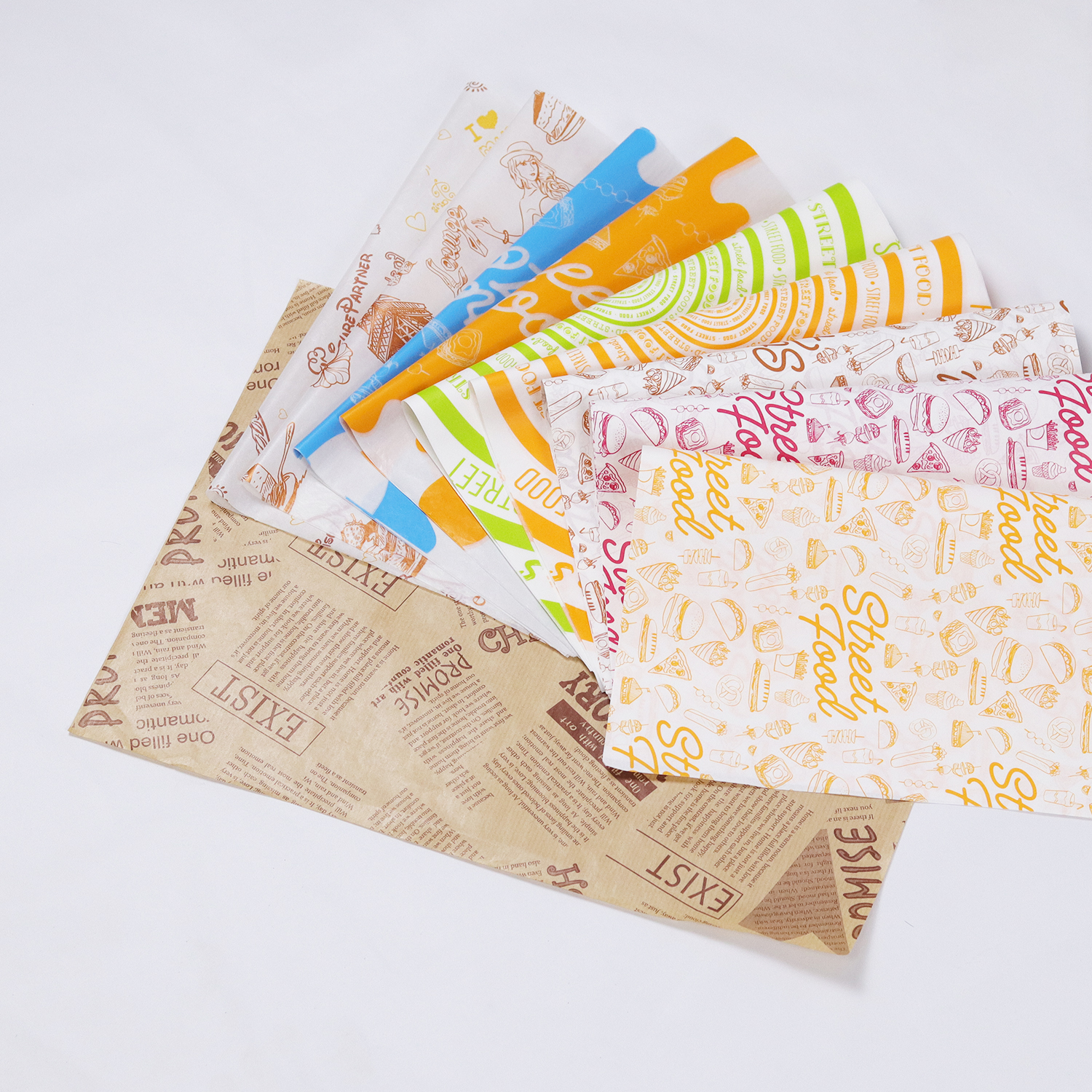
Lowering Plastic Waste and Pollution
Since food packaging is one of the reasons the world is becoming more and more polluted, Sustainable food packaging, made out of renewable and compostable materials, is preferable to plastic food packaging, which takes hundreds of years to break down and causes further pollution by ending up in landfills, the ocean, and natural habitats. Instead, Sustainable food packaging offers a solution. Materials, such as FSC certified paper, reduce the potential to cause future damage to the environment. For example, a global coffee company switched to a packaging provider that offered compostable paper cups. In that company’s first year of use, they reduced plastic waste by 60%. That was a perfect example of how Sustainable food Packaging made a positive impact. Furthermore, it reduced the waste management burden, and it kept plastic waste and micro-plastics out of the ocean and damaging the ecosystems.
Conserving Natural Resources
Traditional food packaging is made from materials such as oil and wood pulp that are not renewable - meaning they cannot be produced again. However, packaging that is produced sustainably uses materials that are renewable and responsibly sourced. The FSC certifies that wood packaging materials come from forests that are replanted and managed to protect the environment. In addition, many wood-packaging suppliers use some recycled materials, which lowers the need to take new natural resources. For example, paper that is recycled can be used to produce food wrapping paper and bags, and this saves water and energy while also reducing the cutting down of trees. The Food and Agriculture Organization (FAO) experts say that in comparison to traditional food packaging, sustainably sourced packaging can reduce the depletion of natural resources by up to 40%. Choosing responsibly sourced packaging materials helps foster a circular economy, allowing resources to be reused and recycled rather than used and disposed of.
Reducing Your Carbon Footprint
Food packaging is one of the many ways we contribute to climate change, especially through the greenhouse gas emissions we release when creating and disposing of it. With the production of our own packaging, our carbon emissions can be reduced. Creating our packaging from renewable materials can further reduce emissions because it takes less energy to produce, and our packaging can reduce greenhouse gas emissions further by being compostable or recyclable so it is better than plastic packaging. The International Institute for Sustainable Development found that, compared to plastic, sustainable, paper-based packaging has a lower carbon footprint by 35%. This is because less greenhouse gases are released during production of paper, and when composted, paper, can release nutrients into the soil and not harmful emissions. Less carbon emissions is a positive thing for paper-based packaging companies and it satisfies globals goals for a lower carbon footprint. Sustainable packaging paper-based companies can reach an untapped environmental consumers segment with their marketing.
Supporting Ecosystem Protection
Some raw materials used in traditional packaging can seep chemicals over time into soil and water. Eco friendly packaging is made from materials that are actually safe for food and are compliant with global standards like the FDA and ISO. This means that during use or after they decompose, no dangerous materials are released that would threat the health of animals, plants, or people. For instance, the greaseproof paper used for food wrapping. Food grade paper is made with natural coating that prevents oil from leaking, so no artificial chemicals are added. This makes Eco Friendly packaging safe for the ecosystem and for the food. Environmental experts say the more balanced ecosystems remain, the less they are affected by pollutants, especially chemicals released from packaging. This is especially true for the pollinators which are key to most living organisms and to a balanced ecosystem.
Driving Long Term Environmental Sustainability
Eco friendly packaging solutions support long term sustainability, and promote positive environmental investments. Sustainable food packaging fosters responsible consumption and production. Adopting food packaging solutions that are sustainable helps businesses and consumers prioritize the health of the planet as a whole. Sustainable food packaging allows companies to lead and inspire other members of their industry. It is the collective efforts of all members of an industry that address critical environmental issues such as climate change, pollution, and resource depletion. Sustainable food packaging also encourages the advancement of material sciences and the manufacturing process. Sustainable food packaging is an alternative to harmful practices, and is an example of positive change that is supported by an ever-growing number of businesses.
Building Trust with Customers and Improving Credibility
Customers from all walks of life use a brand’s eco-sensitivity as a basis for purchasing choices. When companies use environmentally friendly food packaging, clients can see the green commitment from a brand. Customers trust these brands more and see them as more credible. About 78% of people will choose a brand if it is more eco friendly. A popular example is the small cafe that changes to compostable packaging; it will always notice a rise in customer retention and brand advocacy. When companies use the style of packaging that is in sync with their clients, they 're doing a good thing for the planet, and they'll be able to beat their competitors. Trust from customers will translate to brand loyalty for pubs and restaurants that display the same eco motivation as their customers.