 EN
EN


It is no secret that street food has become a global culinary sensation, due to its convenience, flavours, and cultural variety. However, street food experiences would be incomplete without a thoughtful packaging solution. A good packaging solution is a protector of and canvass for the food, a vehicle for the brand, and a response to the consumer's desire for safety and sustainability. Good packaging can encourage repurchasing, while poor packaging can ruin even the best meals. In this article, we will explore the most important factors that influence the packaging solutions available for street food, through the lens of industry knowledge and practical examples.
Key Requirements for Packaging Used in Street Food Operations
When operating street food, you need to take into account the fast-moving nature of the environment, and the specific challenges it entails for packaging. Consider the need for Portability, as customers are always moving, so packaging should be easy to hold, spill-proof (important for liquid snacks), and should be compact enough to be carried with it other items. Packaging should also be resistant to moisture and grease, especially for packaging street food that are moist or greasy (like fried foods, sauces, etc) that can soak through low quality packaging. The temperature should also be kept in mind, as packaging should keep hot food like noodles or samosas warm without being hot to touch. Cold food like fruit cups or salads should be packaged with insulating packaging to keep them fresh and chilled. In addition, due to the public environment that street food is consumed and prepared, food safety is important to avoid the risks of contamination.
Materials Designed for the Street Food Industry
Sustainability isn’t an option anymore, especially for street food vendors. Customers want eco-friendly options, and local regulations dictate the use of sustainable products. Street food vendors may find FSC-certified kraft paper and compostable, greaseproof paper to exemplify the perfect combination of eco-friendly and functional. These materials help to keep food intact and are fully equipped to battle the street food industry. They are greaseproof, and tear resistant, while also being fully recyclable or biodegradable. For example, a large international coffee chain managed to reduce single-use plastic waste by 40% after introducing custom compostable packaging. The same success is also possible for street food vendors. When vendors use sustainably coupled with safety materials, like FDA and BPI certified, both the vendor and the customer feel great.
Custom Flexibility
Finding ways to stand out is super important, especially in the street food market. With food packaging, even the simplest designs that match the branding, such as specific colors, logos, or a fun slogan, can help a company get noticed. For example, a small taco business in a downtown market changed to printed, grease-proof paper that has their logo. People became excited by the new packaging and started sharing their food photos on social media. Within three months, the taco vendor saw a 25% increase in foot traffic! It is also a great option to have different sized packaging (like small bags for snacks and large boxes for meals) to match different menu items. No minimums, which is often ideal for smaller street food vendors is a bonus!
Practical Packaging Solutions For Everyday Street Food Scenarios
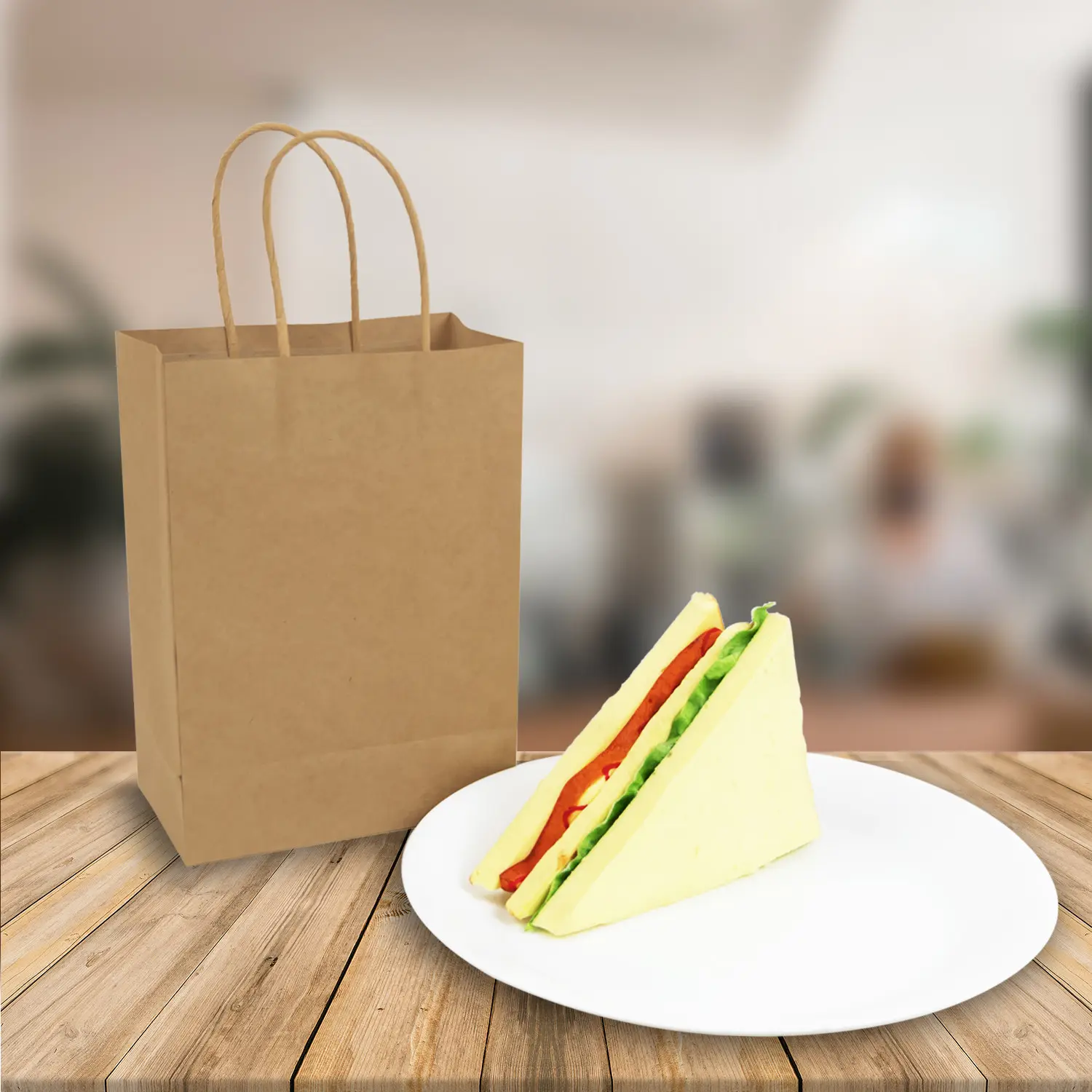
The most effective packaging solutions work for street food vendors. For fried foods like fries, chicken wings, or spring rolls, greaseproof paper is revolutionary -- it absorbs excess grease, keeps food crispy, and protects customers’ clothes and hands from grease stains. Strong takeaway kraft paper bags are supreme for mixed orders because they can hold multiple different food items, and they are also good for large portions. For steaming hot beverages like coffee, tea, or mulled wine, double-wall hot cups are insulated so hot drinks stay warm, but they also remain comfortable to hold. Resealable sandwich bags are perfect to keep food samosas or pastries, to customers save food for later. A street food stall in Southeast Asia that specializes in noodle soups switched to insulated takeaway containers and double-wall cups, and customer complaints about cold food or burnt fingers dropped to zero. This shows that practicality comes first when it comes to customer satisfaction.
Using Trust-Building Packaging
The most important ingredient for street food success is trust; using packaging that is certified can help build trust. Certification from organizations such as the FDA (food safety), FSC (responsible sourcing), or ISO (quality management), lets customers know that the food packaging is safe and sustainable. Packaged food that is safe and of good quality is important for street food. People trust vendors more when the packaging is marked “compostable” or “recyclable” because they are assured that the vendor cares for the health of the planet and people. In a survey of street food consumers, 78% reported that they were more inclined to choose a vendor offering packaging certified as eco-friendly, providing a significant correlation between vendor trust and certification.
Balancing Functionality and Affordability
Street food vendors operate on a tight budget, so there is a need for affordable packaging without sacrificing quality. Having a single supplier for all packaging needs, from cups and bags to paper and containers, saves them time and money. This integrated packaging supply stream linse costs for shipping and eliminates the complications of working with several packaging vendors. Bulk ordering is a cost-effective option for high-volume vendors, while smaller vendors benefit from flexible ordering and avoid a surplus of packaging. Quality packaging ends damage to cheap packaging. Vendors avoid the cost of needing to replace their packaging. In example, a vendor was using cheap bags with little customer retention and food waste due to the bags easily ripping. His food waste was reduced, and customer retention was better when he switched to paper bags, again, even though he spent a little more money on the bags.
Street food vendors can choose packaging materials that increase the value of the customer experience and build successful sustainable businesses. Great packaging is functional, sustainable, customizable, and builds vendor-consumer trust. Packaging that meets core functional requirements, utilizes certified sustainable materials, and has customized design that solves a practical problem enhances the vendor's brand and helps the customer. Whether you are a small vendor just starting or an experienced operator, the best packaging is that which prioritizes the customer.