 EN
EN


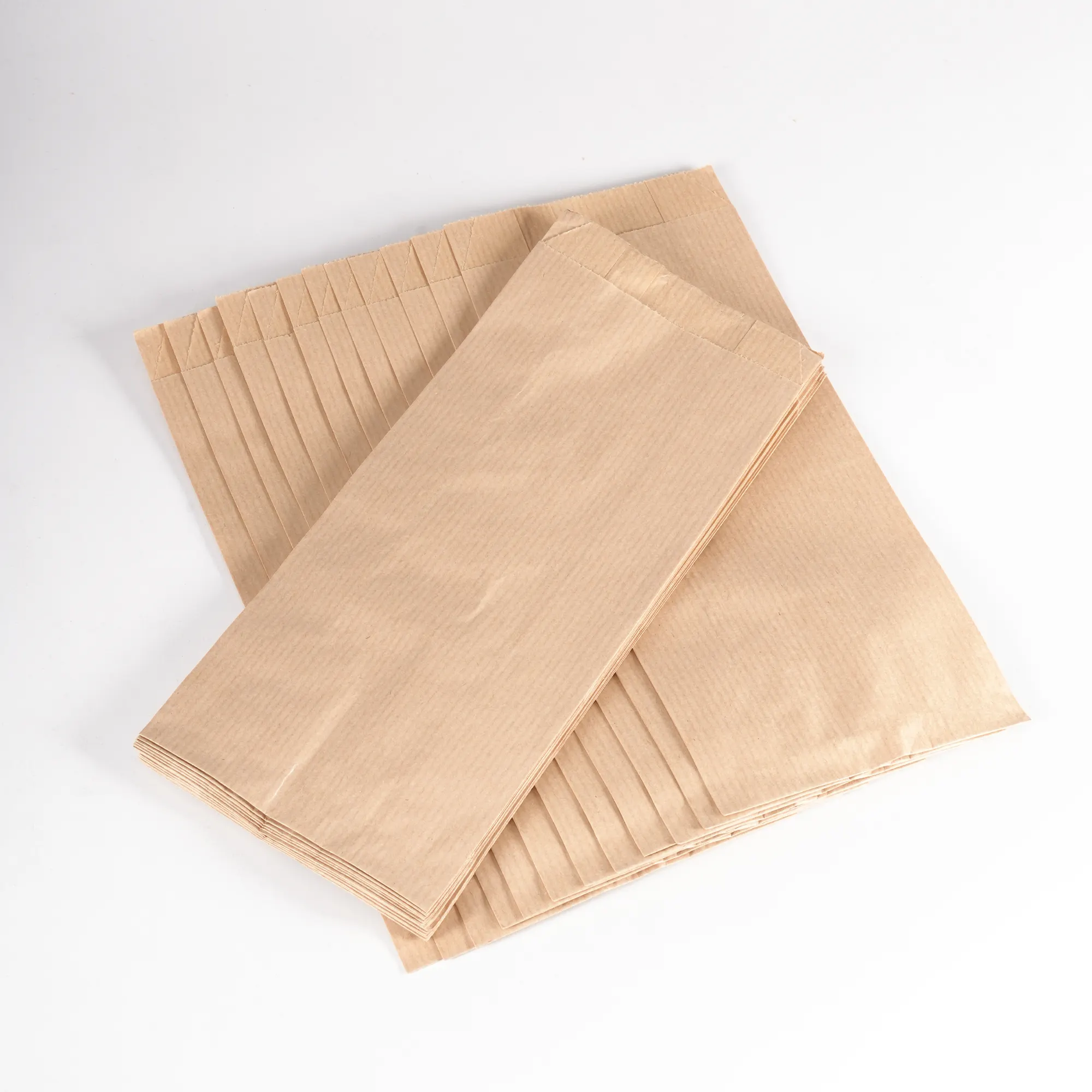
Identifikacija kvalitetnog biorazgradivog papira
Industrija hrane i pića je zabeležila značajan porast upotrebe biorazgradivog papira za ekološki prihvatljiva rješenja za pakovanje. Nažalost, postoji mnoštvo nekvalitetnih proizvoda koji se plasiraju kao biorazgradivi. Za brendove u kojima je pakovanje hrane od ključne važnosti za sigurnost hrane, zaštitu imidža brenda i postizanje ciljeva održivosti, poznavanje načina identifikacije originalnog kvalitetnog biodegradabilnog papira je zahtjev, a ne opcija. Proces se može pojednostaviti usmeravanjem na konkretne, lakše definibilne kriterije koji uključuju industrijske standarde, nauku o materijalima i primenljive performanse.
Provjerite globalne standarde za sertifikaciju i usklađenost
Sertifikacije su od suštinske važnosti za odabir proizvođača visoko kvalitetnog biorazgradivog papira, jer dokazuju zakonski odobreno globalno priznanje. FSC potvrđuje da je papir poteklo iz šume čija je održivost potvrđena. Osim toga, BPI certifikat ukazuje da je papir obrađen prema definisanim kriterijima biološke razgradljivosti i kompostiranja. FDA navodi da je papir bezbedan za hranu, a CMA potvrđuje da je papir kvalitetan/dosljedan. Mnogi proizvodi lošeg kvaliteta imaju lažne logotipove FSC sertifikata, stoga je važno da uvek zatražite odgovarajuću sertifikaciju sa papirom kupca. Sertifikacije su važne za kupca jer pokazuju kvalitet i usklađenost sa međunarodnim sigurnosnim propisima, održivi i visoko performantni papir.
Kalibriraj konstrukciju materijala i parametre biorazgradivosti
Papir koji ima visok stepen biološke razgradljivosti izrađen je od specifičnih materijala. Najbolji izbor je napravljen od 100% djevičanskih, obnovljivih, biljnih sirovina koje ne sadrže štetne hemijske aditive koji dolaze u kontakt sa hranom. Papir je 100% ekološki prihvatljiv. Glavna mjera na kojoj treba da se fokusiramo je da je najbolji biorazgradivi papir potpuno kompostiran. Osim opasnog, ne biorazgradivog i neobnovljivog izbjeljenog papira, većina recikliranog papira nije kompostirana. Pored toga, većina papira je napravljena od veoma opasnih recikliranih materijala. Najbolji biorazgradivi papir je 100% kompostiran, što je industrijski standard za biorazgradivi papir koji je potreban većini kompanija za proizvodnju hrane i pića koje su prisutne u više od 60 zemalja.
Testiranje fizičkih performansi ambalaže za hranu je prvi korak pri radu sa biorazgradivim materijalima. Kvalitet se nalazi u fizičkim performansama papira, ili koliko će dobro raditi za ambalažu hrane. Na primer, kada se pakiraju pržene namirnice ili deli meso, važno je da je ambalaža otporna na masnoće. Otpornost papira na masnoću zavisi od njegove GSM vrijednosti. Sa većim GSM papirom, grezni otporni zid papira će biti bolji. Primjer toga je pakovanje masne hrane kao što su hamburgeri i pomfrit. Napomena: U pakovanju toplih pića kao što su kafa i čaj treba da bude toplotno izolacija i otpornost na papir kako bi pića ostala topla. Osim toga, materijali za pakovanje koji se koriste za pravljenje omotača za kafu i ambalaže za hranu za ručak treba da imaju veću otpornost na suze kako bi papir bio neuhranljiv. Ako je papir previše krhak, to će rezultirati da kupac neće biti zadovoljan, a hrana će se otpadati. Globalni lanac kafa je pokazao odličan primjer toga prelaskom na ekološki prihvatljiv, biološki razgradljiv papir koji nije imao fizičke karakteristike kako bi mogli smanjiti otpad pakovanja i istovremeno pružiti nivo performansi koji su tražili njihovi kupci.
Procenite praktičnu upotrebljivost i brzinu biorazgradnje
Testiranje praktične upotrebe biološki razgradljivog papira i brzine biološke razgradnje su testovi koje svaka kompanija može da uradi, i ne zahtijevaju nikakve specijalizovane laboratorijske vještine. Za praktičnu upotrebu, kompanije same mogu da izvrše niz testova, na primer, da bi utvrdile otpornost papira na ulje, mala količina ulja može biti stavljena na papir; da bi se procijenila otpornost na toplotu i čvrstoća papira, može se koristiti uzorak papirne čaše za držanje Za biološko razgradnju, dobavljači bi trebali da preciziraju koliko vremena papir treba da se razgradi u uslovima kompostiranja, a kompanije mogu da sprovedu mali test kompostiranja uz uzorak papira. Više od 3000 preduzeća u oblasti hrane širom sveta potvrdilo je da je praktična metoda za izbjegavanje lošeg kvaliteta proizvoda koji ne zadovoljavaju dnevne operativne potrebe preduzeća - uprkos tvrdnjama da proizvodi ispunjavaju zahteve industrijskih standarda - najefikasnija metoda.
Biorazgradive ambalaže su investicijski izbor koji se uravnotežuje uz poštovanje prirode i dobrobiti kompanije. Umjesto da samo proveravate okvir održivosti, visokokvalitetni biorazgradivi papir štiti hranu, podržava posvećenost brendu koja poboljšava imidž i održava obećanje o ekološkoj zaštiti potrošača. Označavanje pravog biološki razgradljivog papira za proizvodnju hrane i pića je jednostavno, a fokusira se na potvrđivane tvrdnje o recikliranju, poštenost kompozicije, čvrstoću i upotrebljivost. U rastućem i konkurentnom okruženju održive ambalaže, visokokvalitetni biorazgradivi papir predstavlja konkurentnu prednost za brendove koji su posvećeni održivoj i boljoj budućnosti.