 EN
EN


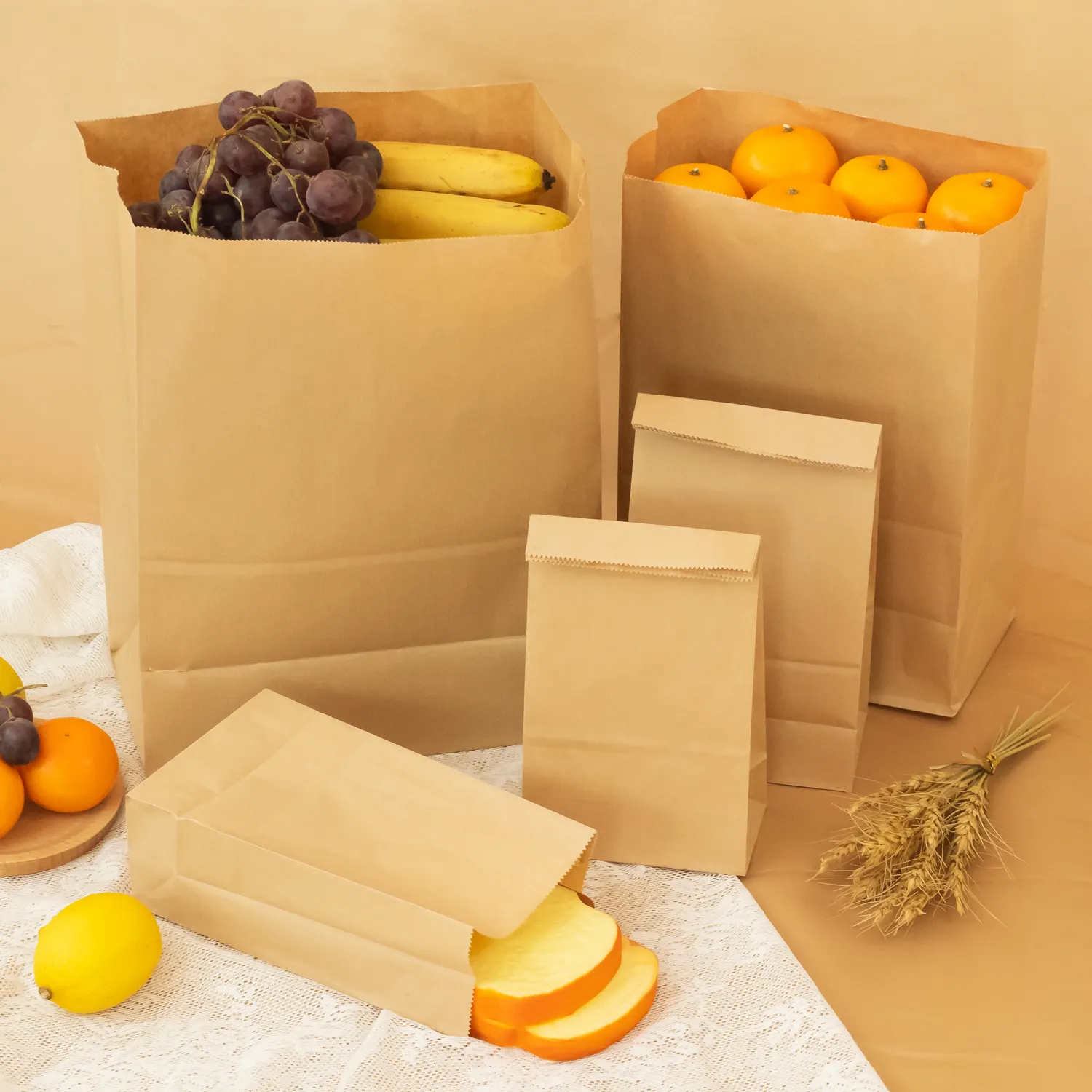
पैकेजिंग सामग्री का चयन करते समय प्रत्येक प्रकार के उत्पाद की विभिन्न विशेषताओं पर विचार करना आवश्यक है, ताकि स्थायित्व सुनिश्चित किया जा सके। उदाहरण के लिए, पैकेजिंग डिज़ाइन में वेंटिलेशन के लिए लचीलापन बनाए रखना आवश्यक है, जैसा कि कुछ प्रकार की फफूंद-प्रवण पत्तेदार सब्ज़ियों के साथ किया जाता है, जो 'साँस लेती' हैं। इसके अतिरिक्त, कुछ अधिक संवेदनशील उत्पाद—जैसे बेरीज—अधिक भंगुर होते हैं और अधिक झटका अवशोषण की आवश्यकता रखते हैं। इसके अलावा, जड़ वाली सब्ज़ियों पर भी विचार करना आवश्यक है, जिन्हें नमी धारण करने की आवश्यकता होती है, जिसे ऐसी पैकेजिंग सामग्री द्वारा प्रदान किया जाना चाहिए जो घनघन और नमी को फँसाए नहीं, तथा इस उद्देश्य के लिए एकल-उपयोग वाले प्लास्टिक के उपयोग के प्रलोभन को अस्वीकार करना चाहिए। यह बुद्धिमानी भरा कदम है कि FDA अनुपालन, BPI अनुमोदित और FSC प्रमाणित, खाद्य-श्रेणी के कागज़-आधारित अपघटनीय सामग्री का उपयोग किया जाए, जो नवीनीकरणीयता, अनुकूलन क्षमता और पारगम्यता प्रदान करती हैं। ये सामग्रियाँ प्रत्येक उत्पाद की विशिष्टता की रक्षा करती हैं, जिससे उत्पादों की प्राकृतिक शेल्फ-लाइफ बढ़ जाती है और भोजन अपव्यय को कम किया जा सकता है। अधिकांश ताज़ा उत्पाद ब्रांड आम और उत्पाद-विशिष्ट नहीं होने वाली पर्यावरण-अनुकूल सामग्रियों के उपयोग में फँस जाते हैं। यह डिज़ाइन समुदाय के भीतर एक अत्यधिक व्यापक डिज़ाइन दोष है। फिर भी, यह सभी संबंधित पक्षों के लिए पैकेजिंग के प्रभावी स्थायी डिज़ाइन की ओर पहला कदम हो सकता है।
ताजगी बनाए रखने के लिए संरचनात्मक डिज़ाइन
ताज़ा सब्ज़ियों और फलों के परिवहन और भंडारण को ध्यान में रखते हुए, संरचनात्मक डिज़ाइन सामग्री के चयन के साथ समन्वय में कार्य करता है ताकि उत्पाद की ताज़गी और अखंडता को अधिकतम स्तर पर बनाए रखा जा सके। सड़न की दर को कम करने के लिए वायु प्रवाह के लिए सूक्ष्म-छिद्रों, वायु के बुलबुलों के लिए गत्ते के लहरदार पेपर का लचीला निर्माण, और पुनः सील करने की सुविधा के लिए कागज़ के ढक्कन जैसे संरचनात्मक डिज़ाइन अनुकूलनों का उपयोग किया जाता है। हमने एक क्षेत्रीय जैविक फल कंपनी के साथ साझेदारी की थी ताकि प्राकृतिक रूप से कम्पोस्ट करने योग्य कागज़ के ट्रे और लचीले कवर वाले बेरी पैकेजिंग के एक नवाचारी डिज़ाइन को लागू किया जा सके, जिससे संचालनात्मक परिवहन के दौरान सड़न की दर 30% तक कम कर दी गई और प्लास्टिक क्लैमशेल्स के उपयोग को पूरी तरह समाप्त कर दिया गया। इस डिज़ाइन ने खुदरा शेल्फिंग पर स्तरबद्ध ढेर लगाने की आवश्यकता पर भी जोर दिया और उपभोक्ता के उपयोग की सुविधा के लिए हैंडहोल्ड कट क्षेत्रों को शामिल किया, जिससे स्थायित्व और कार्यक्षमता के बीच संतुलन स्थापित हुआ। प्रभावी संरचनात्मक डिज़ाइन उपयोग में लाने योग्य पैकेजिंग प्रदान करता है, जो उत्पाद के लिए उपयोगकर्ता-अनुकूलता को सुविधाजनक बनाता है तथा खुदरा विक्रेता और उपभोक्ता दोनों के लिए पैकेजिंग की प्रक्रिया को सरल बनाता है।
अंतर्राष्ट्रीय स्थायित्व प्रमाणनों के साथ अनुपालन
जब ताज़ी सब्ज़ियों के लिए स्थायी पैकेजिंग की बात आती है, तो इसकी विश्वसनीयता अंतर्राष्ट्रीय स्थायित्व और खाद्य सुरक्षा प्रमाणनों से आती है। FSC, BPI, FDA और ISO जैसे प्रमाणनों को पैकेजिंग को वास्तव में पर्यावरण-अनुकूल और खाद्य संपर्क के लिए सुरक्षित माने जाने के लिए मान्यता प्राप्त होनी चाहिए, साथ ही अंतर्राष्ट्रीय स्तर पर खुदरा विक्रेताओं, उपभोक्ताओं और नियामकों के साथ विश्वास बनाए रखने के लिए भी यह आवश्यक है। खाद्य सुरक्षा विशेषज्ञों ने बताया है कि अप्रमाणित "पर्यावरण-अनुकूल पैकेजिंग" रासायनिक पदार्थों के लीचिंग के जोखिम का कारण बन सकती है। इस कारण, यदि ताज़ी सब्ज़ियों के ब्रांड अंतर्राष्ट्रीय स्तर पर बिक्री करना चाहते हैं, तो उनके लिए तृतीय-पक्ष प्रमाणन प्राप्त करना अत्यावश्यक है। उदाहरण के लिए, यूरोपीय खुदरा विक्रेताओं द्वारा सभी ताज़ी सब्ज़ियों की पैकेजिंग के लिए BPI कम्पोस्टेबिलिटी प्रमाणन आवश्यक है, जबकि अमेरिकी किराने की दुकानों द्वारा FDA फूड-ग्रेड अनुपालन की आवश्यकता होती है। इस कारण, पैकेजिंग के लिए इन वैश्विक मानकों के अनुपालन ने यह साबित कर दिया है कि ये ब्रांड स्थायित्व के प्रति गंभीर हैं और केवल "ग्रीनवॉशिंग" नहीं कर रहे हैं।
व्यवसाय की लाभप्रदता में सततता का एकीकरण
पर्यावरण-अनुकूल ताज़ा उत्पादों के पैकेजिंग का चयन केवल एक पर्यावरणीय विकल्प नहीं है; यह एक अधिक बुद्धिमान व्यावसायिक चयन है जो अधिक मापने योग्य व्यावसायिक रिटर्न प्रदान करता है। बाज़ार अनुसंधान से पता चला है कि आधुनिक उपभोक्ता ताज़ा उत्पादों के लिए अधिक भुगतान करने के लिए तैयार हैं, विशेष रूप से उन ब्रांड्स से खरीदारी करने की इच्छा में 25% की वृद्धि देखी गई है जिनके पैकेजिंग पर्यावरण-अनुकूल हैं। इसके अतिरिक्त, ब्रांड वफादारी का विकास होता है; ग्राहक उन ब्रांड्स पर वापस आते हैं जो उनके पर्यावरणीय मानकों को पूरा करते हैं। इसके अतिरिक्त, किराने की दुकानों पर पर्यावरण-अनुकूल पैकेजिंग के होने से किसी ब्रांड के चुने जाने की संभावना बढ़ जाती है। इस संदर्भ में, ताज़ा उत्पादों के ब्रांड्स को एक संभावना प्रदान की गई है कि वे एक सततता लागत को व्यावसायिक लाभ में बदल सकें—इस मामले में, व्यावसायिक लाभ प्लास्टिक कचरे के उन्मूलन, बिक्री में वृद्धि और ग्राहकों के बने रहने की अधिकता है। इसके अतिरिक्त, पर्यावरण-अनुकूल पैकेजिंग लंबे समय में लागत को कम कर सकती है, क्योंकि यह पैकेजिंग सामग्री के अपव्यय को समाप्त कर देती है और यह पैकेजिंग नए विस्तारित उत्पादक ज़िम्मेदारी (EPR) विनियमों के अनुपालन में होगी, जो उपयोग की गई पैकेजिंग सामग्री पर दंड लगाएगी।
स्केलेबल उत्पादन के लिए आपूर्ति श्रृंखला का अनुकूलन
टिकाऊ ताज़ा सब्ज़ियों के लिए प्रभावी और पैकेजिंग प्रणालियों के निर्माण में एक महत्वपूर्ण पहलू स्केलिंग की क्षमता है, और गुणवत्ता और स्थायित्व के बीच संतुलन बनाए रखने के लिए एक पैकेजिंग साझेदार की भूमिका महत्वपूर्ण है। किसी ब्रांड को एक नवाचारी पैकेजिंग साझेदार की आवश्यकता होती है जो विशिष्ट उत्पादन लाइनों के लिए डिज़ाइन को अनुकूलित कर सके तथा व्यापक क्षेत्रीय वितरण का समर्थन करने के लिए बड़े पैमाने पर उत्पादन और वैश्विक आपूर्ति श्रृंखला प्रबंधन समाधान प्रदान कर सके। स्थायी खाद्य पैकेजिंग में दस वर्षों के अनुभव के साथ, रिचर पेपर डिज़ाइन से लेकर वितरण तक व्यापक सेवाएँ प्रदान करता है। 40,000 टन से अधिक की वार्षिक क्षमता और 60 से अधिक देशों में वितरण के साथ, यह लचीली उत्पादन मात्राओं के ऑर्डर का समर्थन करता है — छोटे, परीक्षण या शुरुआती बैचों से लेकर बड़े, स्थापित सह-उद्यम बैचों तक — और क्षेत्रीय तथा वैश्विक वितरण की सुविधा प्रदान करता है, जो वास्तविक उत्पादों के माध्यम से परीक्षित सब्ज़ी पैकेजिंग के अनुरूप है। यह व्यापक वैश्विक नेटवर्क वितरण ताज़ा सब्ज़ियों के पर्यावरण-सचेत पैकेजिंग के बिना किसी बाधा के स्केलिंग को सक्षम बनाता है।