 EN
EN


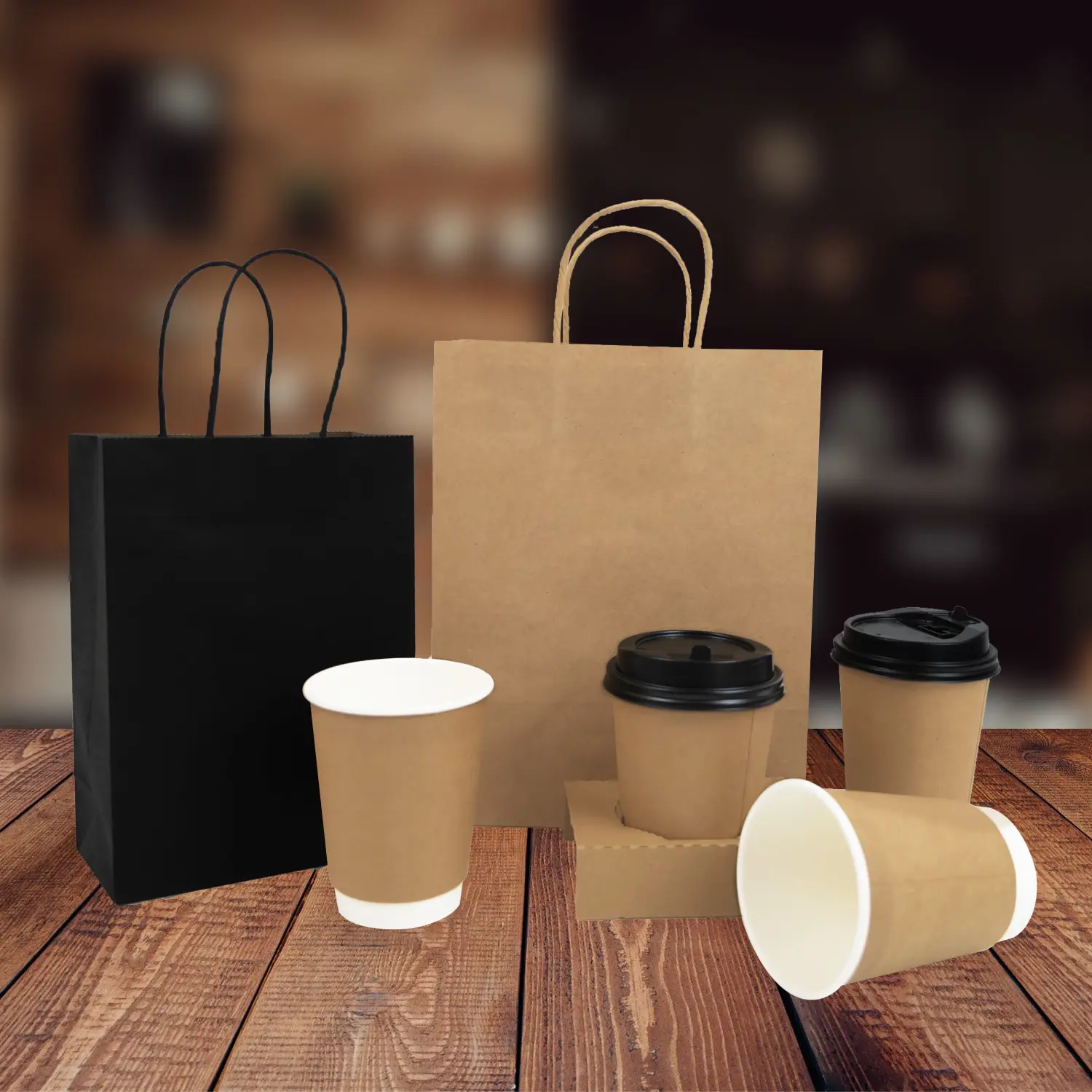
The last few years have shown unprecedented growth in the delivery and take away food market. In light of new challenges, packaging is evolving, and brands are starting to understand packaging for what it is meant to accomplish beyond just a container for food and drink. Food brands of all sizes continue to contend with the pain and costs associated with leakage in takeaway packaging. Packaging designers often do not see the potential of leak-proof packaging as a game-changer in food protection, customer satisfaction, leakage claims, and sometimes even brand trust and market compliance.
Safety of Food and Reliability of Materials
Food Safety is the core value of any food business and potential food packaging leaks brings threats to that core value. Food packaging leaks can put food at risk of contamination from mixing food ingredients or food being exposed to foreign contaminants. Food packaging leaks with food that is oily or contains liquids can also lead to bacterial growth and pose risk to consumers if food packaging leaks. The first key to leak-proof packaging is the selection of the right material and that includes the stringent application of food grade material requirements. Professional leak proof packaging will use greaseproof paper of a specific GSM value. The higher the GSM value of the paper the more resistant the paper will be to the penetration of food oils and liquids. Food grade coating technology applies the coating to the paper and that coating will prevent plug up and the escape of contaminants. The global standards for certifying food grade leak proof paper provide guidance for packaging engineers in the selection of appropriate food grade leak proof packaging materials. Food brand manufacturers can identify with ease what leak proof paper will be the best for their specific food grade packaging by referencing the selected standards with a small seal test and or a simple performance test the brands will be able to determine that includes a seal test to determine the best.
Customer Experience and Brand Loyalty
Negative takeaway experiences with packaging leaks can greatly damage brand loyalty and packaging is one of the first touch points with food brands. Picture a consumer getting a coffee with a leaking cup, or a chicken meal with an oily paper wrapper. These negative experiences, regardless of the consumer’s current level of satisfaction with the order, will greatly decrease the chances of a repeat purchase. Industry examples indicate that a highly regarded global coffee chain improved its cup and food packaging design with features like snap-on lids and leak proof folds. As a result, the chain’s packaging-related customer complaints decreased by 60%; its regulars showed a significant increase in repurchase rates. These leak-proof design packaging features may seem small and insignificant, but they shape how customers view the brand. When customers have a good takeaway experience, they will develop an emotional attachment with the brand and begin to increase their purchase frequency significantly.
Brand Reputation and Market Differentiation
In a competitive takeaway market, standing out based on taste, price, and service is challenging. Differentiation is increasingly being achieved through packaging, and packaging that is leak-proof is a basic requirement. If packaging is visually and conceptually innovative, but leaks, customers will not have a good experience. Industry data indicates that well designed packaging can increase brand recognition by 72% and increase the likelihood that customers will place an order by 35% but customers need to experience packaging as leak-proof and practical to obtain these benefits. Consumers demonstrate greater recognition of brands that incorporate leak-proof and environmentally friendly custom branded packaging, such as eco-friendly, greaseproof branded paper for fried food packaging and branded leak-proof hot drink cups. When packaging integrates functionality and brand recognition, it indicates that the brand is detail-oriented and values the customer experience, and these elements collectively create a competitive advantage.
Increased Operational Efficiency
For food brands, packaging leaks may damage brands tangibly in hidden costs and intangibly in hurt brand reputation. Packaging leaks hidden costs for food brands include costs for reworking leaked orders, reworks for customer dissatisfaction, logging costs for packaging damage, and labor costs for customer complaint orders and reissuing orders. These hidden costs may represent a large percentage of daily operating costs for small and medium-sized startups. Large-scale chain brands suffer the most cumulative loss of leakage across a number of stores. Selecting the best leak proof packaging for food brands prevents these costs from being hidden. In example, use of cost effective, leak proof, heavy-duty SOS bags, and double-wall paper cups for delivery and hot drinks, respectively, can prevent leakage. Brands can also stop cost waste due to excessive packaging selection by the provision of leak proof packaging categorized by temperature. For example, leak proof packaging categorized by temperature means lightweight sealed packaging for cold drinks and dry food and higher grade prep food packaging for oily food. This targeted selection of packaging materials leak proof materials and operational costs to optimize overall supply chain efficiency.
Global Compliance and Market Expansion
When looking to expand internationally, brands need to incorporate leak-proof and reusable food packaging. Depending on where you are selling your food, you may face food safety and environmental guidelines that need to be followed. The legal guidelines deemed "authorities" provide assistance on how to cross borders without having legal issues. The packaging laws for each specific area are very strict. Depending on what area of the world you are selling your food, you may face the EU's packaging laws that require packaging to be leak-proof, The FDA and North American guidelines are very strict regarding food contact materials and how you can seal your packaging, and Southeast Asia has laws that are centered around balance in cost, leak-proof, and reusable packaging. The CMA, FSC and BPI certifications are recognized globally and provide assistance in regards to legal compliance in most countries. Global experience in the food industry has proven that many food brands that have used globally compliant leak-proof packaging have expanded to over 60 countries. Packaging that is proofed against leaks is just as essential as food safety for operational configurations that intertwine customer experience, brand development, and functioning operationally in food logistics globally. With maximized food safety, a thoughtful use-up, and a safe end, economically flexible premium materials designed for food-safe flexible packaging, leak proof packaging allows brands to gain reduced operational loss, improved customer loyalty, meaningful brand differentiation, and unimpeded global logistics operational development. This sustains the food industry's functional environmental protection and brand value focused sustainable development trend.