 EN
EN


Prioritise Core Functions of the Packaging
When implementing custom packaging with a budget the first thing that should be done is to focus on crude core functions, rather than complex and creative design functions. Many companies add features to their packaging that drive costs up, without any real value being added. To give an example: a local café that we worked with wanted complex designs and multiple color prints on their to go cup. After looking at their needs we suggested that they use a single color logo print on double wall hot cups. This design still maintained insulation and brand visibility while saving 30% on materials and production costs.
Core functions should meet the requirements of the product. This means packaging with grease resistance should be used on food wraps, and durable takeaway bags, and for cups that need insulation, packaging should be used that has insulation. Focusing on core functions should help cut resource costs that would otherwise go to decorative design features that would be used just for the sake of design.
Using Sustainable materials to save money
There are inexpensive, eco-friendly options available for custom packaging. Sustainable materials, such as greaseproof paper which composts, and FSC certified kraft paper are strong and aesthetically pleasing, needing little to no additional design. One client is a global coffee company who switched from inexpensive plastic unrecyclable bags, to custom printed SOS bags made from kraft paper. They helped the earth and reduced their packaging costs by 25%. They also received a 40% increase in positive comments about their brand.
Moreover, certified materials reduce the costs for special treatments and coatings. Because the FDA has certified greaseproof paper, it comes with built-in oil barrier protection. This means customers are not charged for extra laminates, which means the company meets international safety standards and gains customer trust. The Sustainable Packaging Coalition has stated that renewable materials improve brand reputation and help save money by reducing the costs associated with waste disposal.Optimize Design for Bulk Production
Ordering in bulk means that every design decision plays a part in the overall production costs. Keeping designs simple, and easy to scale, minimizes costs. An example includes a start up bakery who chose a simple design for their custom sandwich bags. They maximized bulk discounts by selecting a design with a single logo and a single standard bag size. This decision alone reduced their per-unit costs by 22% compared to designs that required custom sizes and multiple bag designs.
Avoid using complex patterns and shapes, as well as strange sizes that may need custom tooling. Production times may also be affected for the negative. Use standard size bags that will work with a company's production process. There is also a balance to be struck with brand representation and cost. Simple designs can be printed on paper products using flexographic printing, which is less costly than small digital printing runs. Experts in packaging design can also assist in achieving standardized designs, which is ideal for any less costly projects. Standardized designs can reduce setup costs by as much as 40%, and are particularly effective for projects that are cost sensitive.
Collaborate With Adaptable Suppliers
Budget packaging requires careful consideration when selecting a supplier. Flexible ordering and free sample suppliers are optimal as you are able to assess multiple designs without large order commitments. One retail client we assisted was trying to stick to a budget when ordering custom shopping bags. By collaborating with a supplier with low order quantity requirements, they were able to place a starting order of 500 units, which was sufficient to meet demand and avoid overcapitalizing on inventory.
Workflow and cost efficiency are two advantages of suppliers with comprehensive services. The more streamlined the services, the more cost effective they are. Suppliers who offer design, production, and delivery services in house are more cost effective than utilizing multiple suppliers because of the reduced number of vendors. Small businesses save considerable money when working with adaptable suppliers who have no minimum order quantity when compared to traditional suppliers. Industry experts say up to 35% savings on packaging are to be expected.
Maximize Brand Impact through Clever Customization
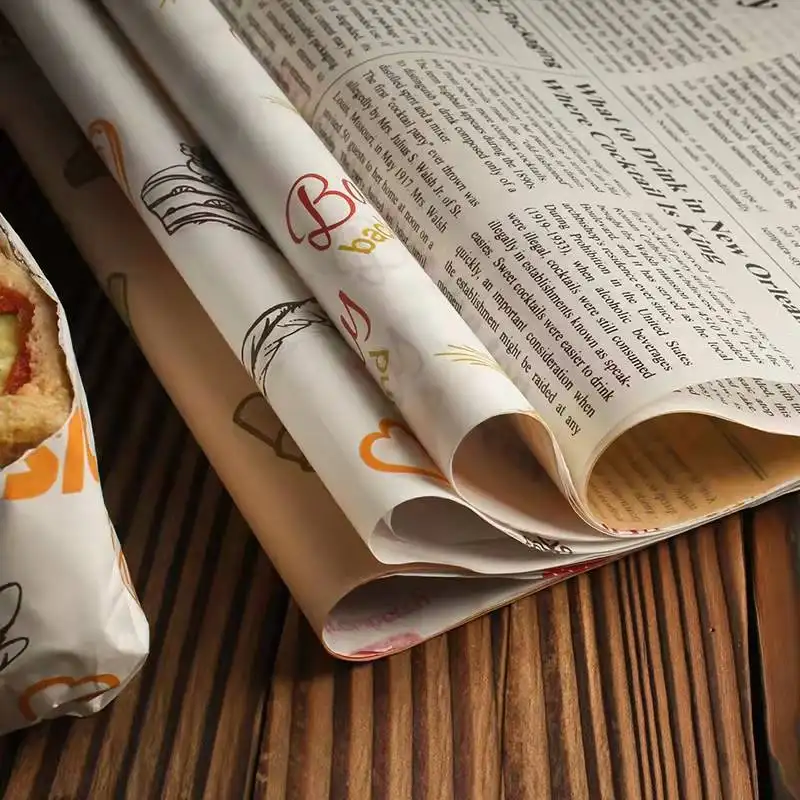
Getting creative with your identity-marking elements in order to stay within a budget is simply smart. Think about those areas with the most visibility-- the front of a takeaway bag, the side of a coffee cup, the seal of a sandwich bag. A local deli used this strategy by having their logo and tagline printed on deli paper, and while it may be simple, it is effective because customers see the branding each time they unwrap their food.
You can also use sustainable materials to your advantage. For example, Kraft paper is a simple and cost effective way to convey a premium, eco-friendly vibe. A study by the National Federation of Independent Business found that simple strategic branding on packaging can improve brand recognition by up to 52%! This shows that it doesn't take a large budget to have a major impact, only intentional placement of your brand's key elements.