 EN
EN


Заштита изазова задржавања свежести у кафи
Већина зрна која се користе у производњи кафе су крхка и веома осетљива. Када се зрна прже, они почињу процес оксидације, што уништава сложене ароматске профиле кафе. Као резултат излагања кисеонику, влаги, светлости и променљивим температурама, квалитет кафе може значајно и брзо пасти, прелазећи од укусне кафе на једну која је заснала и веома горка. За кафиће, одржавање свежести кафе од времена производње до куске купца је од кључне важности за лојалност купца. Ово је време када прави паковање може играти кључну улогу у делувању као бариера против елемената који угрожавају укус, укључујући паковање направљено од специјалних материјала.
Технички дизајн паковања: Како штити ароматске једињења
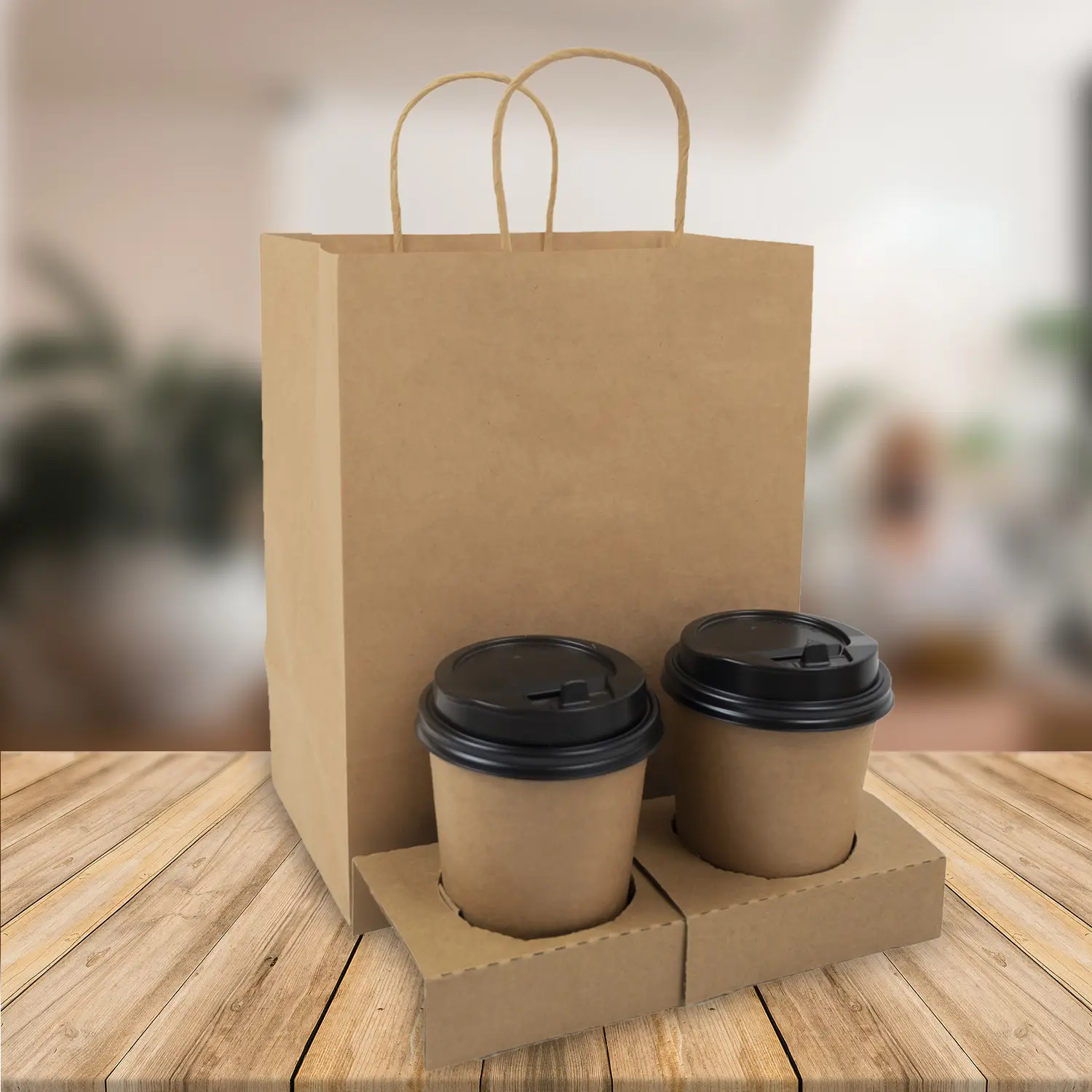
Опаковања за кафу су дизајнирана користећи материјале са ниским стопом преноса кисеоника, јер чак и мало излагања кисеону може покренути процес оксидације. Орештаји за паковање са слојевима који се не подлажу влаги помажу да вода не уђе у паковање, јер влага може створити плесен и покварити укус кафе. Добар пример ових слојева и дизајнерских карактеристика су топле чаше са једним и двоструким зидом. Када се користе за пре-мело кафу или за једнократну, они пружају изолацију заједно са баријерним премазима који затварају свежест кафе. Упаковање се труди да из садржаја не изађе што више ваздуха, а карактеристике као што су ваздушне запечатања и дизајн који се поново затвара помажу да се влага и ваздух не излазе.Техника за очување укуса: наука, предности и недостаци
Технологија паковања кафе укључује више од једноставних бариерних функција. Кафа индустрија користи амбалажу у модификованој атмосфери (MAP), где мешавина азота и угљен-диоксида замењује ваздух унутар пакета. У студији коју је спровела Организација за храну и пољопривреду, МАП у комбинацији са правом паковачком материјалом може продужити трајање трајања печених зрна кафе за још 6 месеци. Друга технологија, систем за ослобађање клапана константног брзине, омогућава врећицама да ослобађају СО2 и спречава да кисеоник уђе у паковање. То спречава издување паковања и задржава бобину пуну оригиналне ароме.
Утицај у стварном свету: Пример за исправно очување укуса
Један велики глобални ланац кафе се суочио са великим проблемом неконзистентног укуса на својим међународним локацијама. Након што је ланац кафе прешао на рјешења за паковање са побољшаним баријерним својствима и технологијом МАП (Модификована паковање атмосфере), ланац је доживео значајно побољшање. Купаци су рекли ланцу кафића да је било 40% повећања позитивних коментара у вези са конзистенцијом укуса, а ланцу кафића је за 6 месеци било 25% повећања у поновљеним куповинама. Упаковање је сачувало јединствену ноту кафе и осигуравало да купци на различитим локацијама доживљавају исти квалитет. Овај пример показује да инвестирање у исправну паковање доводи до позитивних пословних резултата и показује да паковање није само кутија, већ начин за обезбеђивање пословања и бренда ланца кафе.
Прилагођање паковања да задовољи очекивања потрошача
Данас су купци кафе више образовани о квалитету кафе и одрживости везаној за кафу; они су више од потрошача свеже и укусне кафе; они такође очекују да материјали који се користе за паковање ових кафи буду еколошки одговорни. Иако материјали као што је папир сертификовани од стране ФСЦ-а обраћају пажњу на еколошку одрживост и омогућавају да се кафа пакова на начин одговоран за животну средину, одрживост паковања не би требало да смањује функционалност паковања. Упаковање кафе је најефикасније када очува ароме кафе, је еколошки прихватљиво и омогућава отклањање паковања на еколошки одрживи начин. Марке кафе које су спремне да споју ове карактеристике паковања могу очекивати да ће добити посао потрошача кафе који имају еко-одрживе мисли.
Превод очувања укуса у пословну вредност
Упаковање кафе служи да се уштеди квалитет и влага, а свежина се задржава. Са фино подешеном квалитетом долази фино подешен бизнис џепови. Када кафа задржава свежину и укус, купци су задовољни. Поновни купци одржавају посао жив. Одухваљујући томе што купци препоручују друге купце, посао се одржава. Квалитетна паковања такође штеде отпад. Другим речима, штеди од избегавања попуста на мртве и изморане производе. Квалитетна паковања омогућавају бренду да наплаћује премијумне цене. На конкурентном тржишту, залагање на квалитетне пакотине како би се задржала свежина и влага је прави залагање за богатство бизниса.
Шта стручњаци кажу о томе како пронаћи савршену паковање за кафу
Упаковање кафе захтева мерен приступ. Која комбинација вам најбоље одговара зависи од многих променљивих. Ово може укључивати ваше циљно тржиште, врсту кафе, избор печења, трајање складиштења производа, итд. Цела кафе зрна је обично бољи кандидат за дужи складиштење. Међутим, за дуготрајну складиштење целог кафе зрна, неопходно је упаковање које укључује једнонасочни вентил. С друге стране, измешана кафа захтева баријерне вреће које укључују филтер за окисњене материје, јер је измешана кафа много подложнија оксидацији. Пробање опција паковања под различитим условима складиштења биће корисно у томе да се фокусирамо на трајну комбинацију која најбоље штити кафу. То ће, заједно са консултацијама са специјалистом за паковање, осигурати да се изабере најбоља паковања за кафу.
Sadržaj
- Заштита изазова задржавања свежести у кафи
- Технички дизајн паковања: Како штити ароматске једињења
- Утицај у стварном свету: Пример за исправно очување укуса
- Прилагођање паковања да задовољи очекивања потрошача
- Превод очувања укуса у пословну вредност
- Шта стручњаци кажу о томе како пронаћи савршену паковање за кафу