 EN
EN


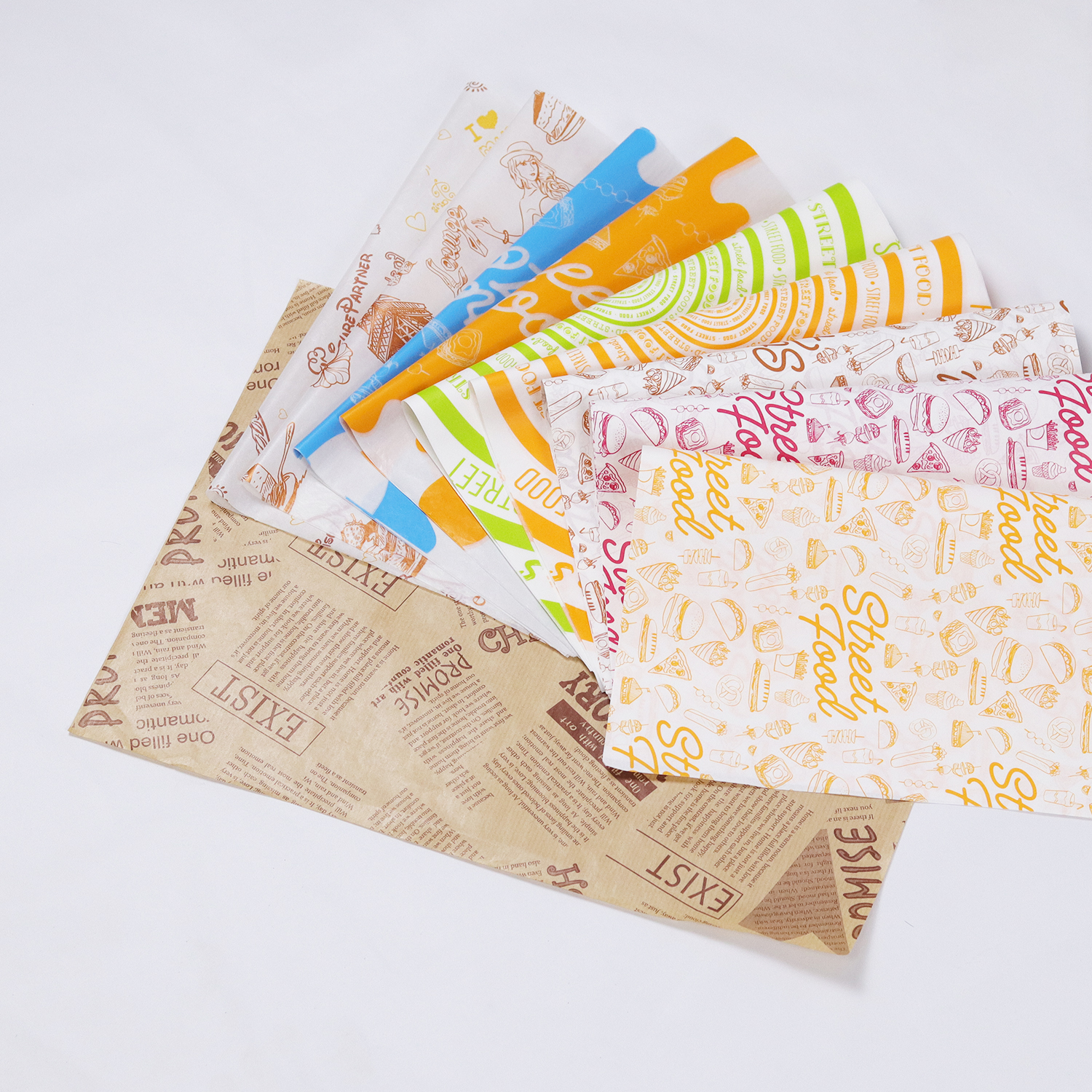
What Does Paper GSM Mean
GSM stands for grams per square meter. It is the measurement related to the weight and thickness of the paper. More specifically, GSM is the weight of one square meter of paper in grams. Knowing about GSM is crucial for people in charge of buying paper for food, for retail, or for any other type of commercial purpose. GSM is a measurement, while the terms “thick” or “thin” are not measurements and can easily be interpreted differently. By knowing the GSM of the paper, customers ensure they are not experiencing inconsistencies between suppliers or products. Knowing GSM prevents any ambiguity related to the use the paper will be put to.
The Effect of GSM Variation on Performance
In terms of technical aspects, GSM of paper directly relates to the core performance attributes of the paper. Papers with lower GSM, in the range of 30 to 60 GSM, are lightweight and easily flexible. These can be used to wrap food products such as sandwiches and pastries. However, they are not strong enough to wrap heavier products or items that need to be packaged with grease resistance. Mid-range GSM papers, in the range of 70 to 120 GSM, are quite optimal in terms of their flexibility and durability. These are used for takeaway bags and general packaging. Papers with higher GSM, 130 GSM and above, are quite strong and rigid. These are used for heavy duty SOS bags and packaging that require rough handling during transport.
In practical terms, incorrectly selecting the GSM on their products can lead to costly consequences. For instance, low GSM paper cups used in a coffee shop may result in leaking and failure of the cups to hold hot drinks, which creates a negative customer experience. Conversely, for lightweight food wrapping, using too high GSM paper results in higher costs of materials with no added value. When paper seems too perform a function in real-life situations, it helps to understand the relation of GSM with Metric Count, and attributes such as tensile strength, tear resistance, and load-bearing capability.
Adjusting GSM to Target Use
Adjusting GSM to the target use is an essential component when buying food paper. There are many food paper types that have GSM restrictions. For example, the GSM on the greaseproof paper that is used to wrap burgers and fried foods needs to be just right. If the GSM is too low, grease will seep through, and if the GSM is too high, the wrap will be too stiff to wrap the product properly. The GSM requirements for takeaway bags are also tricky. They require a GSM that is high enough to withstand the weight of the food inside, but a GSM too low will leave the bag too expensive. The GSM also has to be high enough on the double wall hot cups to remain structurally intact and retain heat on the outside, because they use the GSM to insulate the paper inside.
An example of a catering company that learned the GSM lesson the hard way was a catering company that specializes in outdoor events. They initially went with a lower GSM takeaway bag because of the price, but then they received an expensive lesson of torn bags and food spills. They ultimately switched to a slightly higher GSM bag and, because of the average order weight, they found a 40% decrease in customer complaints. They also found a decrease in wasted product. This example illustrates how GSM directly affects the product's purpose and satisfies the customer; it also emphasizes the importance of selecting specific GSM for the target use.
Using Your Knowledge of GSM To Purchase Slowly and Cheaply
The less you spend in GSM, the better of a value you create. When GSM is too high, you overspend and receive little to no extra value. For example, a little bakery that puts its cookies in a paper bag that is 150 GSM, is literally throwing away money, because a bag that is 80-100 GSM is all that is needed to do the same job. However, spending too little GSM is also bad, since you may lose money if the product is damaged, if the customer returns a damaged product, or if the company gets a bad reputation.
Analyzing your business usage and patterns helps determine the best GSM that maximizes the value of your purchase. This principle explains why certain companies can claim a 20% or more reduction in packaging costs. Data also indicates that small and new companies can greatly benefit economically from this approach, as every cent counts for them. Compounding this is the reduced CO2 waste from garbage and recycling.
Standards You Can Trust in Selecting GSM Papers
The FDA, ISO, and other governing bodies create industry standards and certifications to help guide GSM selections. These standards help buyers verify that papers fulfill safety and performance standards that are especially important and mandatory in packaging food.
Authoritative sources and standards drive most of the GSM specifications, and we don’t consider them as fads - they are vital for food safety compliance and the papers’ overall performance" says, a packaging specialist in reputable industry associations. For instance, specific GSM values must be met for FDA-approved greaseproof paper to be a better food safety advocate because lesser values of GSM on the paper might not serve as adequate enough a barrier paper. Hence, prioritizing certified paper leads buyers into a safer selection.
Tips on Incorporating GSM Knowledge When Purchasing
There are a few ways to ensure applying GSM knowledge is beneficial. Always ask suppliers for GSM specs and compare them. This will help avoid marketing speak and lead to a more objective analysis. Second, sample test with real product to real product. Things that look good on paper don’t always perform in real life. Third, speak with a packaging consultant or industry colleagues to identify which GSM applications for use are more optimal.
In addition, collecting cumulative performance data over a specified period will help to refine purchasing decisions over time compared to which GSM options are better in performance, customer opinion, and price. This approach promotes improvement and adds value over time. Thoughtful purchasing, coupled with a focus on GSM, will improve outcomes, whether that be paper for a food packaging or other retail merchandise packaging.