 EN
EN


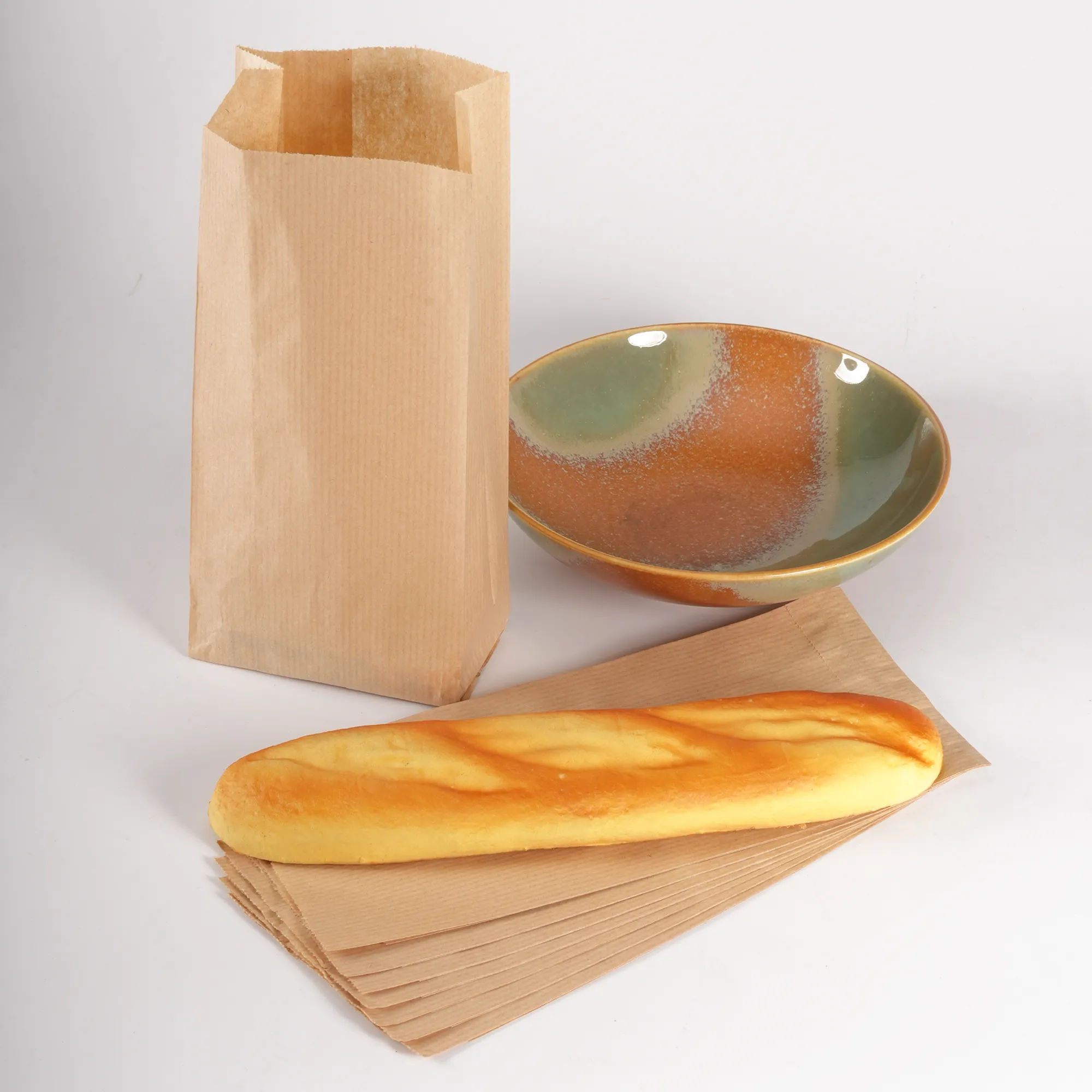
For food brands, cafés, bakeries, restaurants, and takeaway businesses, custom paper bags are more than a simple packaging accessory. They are part of the customer experience, a visible branding tool, and an important part of daily packaging operations. The right paper bag should not only carry food safely, but also support presentation, convenience, and brand consistency.
For B2B buyers, choosing custom paper bags is not just about selecting a size and printing a logo. It requires a more practical evaluation of material, structure, printing, order flexibility, and supplier capability. A good procurement decision should balance food packaging functionality, sustainability goals, and long-term cost efficiency.
This guide explains how to choose custom paper bags for food packaging from a more professional sourcing perspective.
1. Start with the Real Food Packaging Application
The first step in choosing a custom paper bag is understanding how it will actually be used. A bakery bag, takeaway bag, coffee bag, and food retail bag may all be paper-based, but they often serve very different purposes.
For example, a paper bag used for fresh bread packaging may require breathability and a clean natural look. A takeaway bag for hot meals may need stronger carrying performance and better structural reliability. A café bag may place more value on printed branding and visual consistency. A retail food bag may need to combine convenience, presentation, and shelf-ready appeal.
Before selecting the bag style, buyers should confirm:
- What food or product will be packed
- Whether the bag is for takeaway, bakery, retail, café, or delivery use
- Whether grease resistance, breathability, or carrying strength is important
- Whether the bag is part of a premium brand presentation or a high-volume daily packaging system
- Whether the packaging is for one-time use, repeat retail service, or promotional branding
A clear usage scenario helps reduce sourcing mistakes and makes later design decisions more practical.
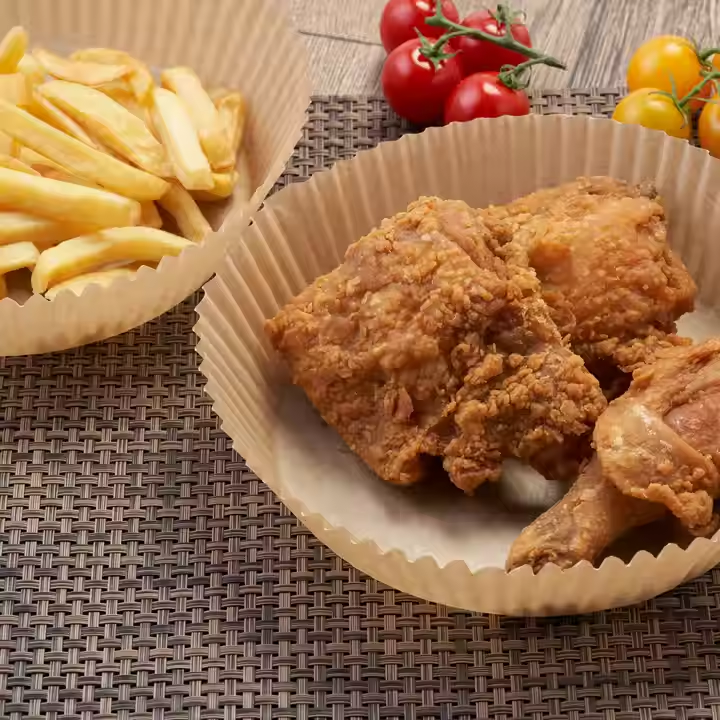
2. Material Selection Should Match Food Packaging Needs
Material is one of the most important factors in paper bag procurement. In food packaging, the right material affects performance, appearance, and sustainability positioning.
On the Richer Eco Packaging website, the company highlights sustainable and certified materials, including certifications such as BPI, FSC, and CMA, as part of its packaging offering. This is highly relevant for food businesses because material choice increasingly affects both compliance confidence and brand image.
When choosing paper bag materials, buyers should think about:
- Whether the packaging is for dry food, bakery items, takeaway meals, or retail food products
- Whether a natural kraft look fits the brand better than a white or printed finish
- Whether the bag needs stronger support for heavier food products
- Whether sustainability positioning is part of the brand strategy
- Whether the packaging should align with eco-friendly brand messaging
In many food packaging projects, the material is not chosen for appearance alone. It should also support the intended food application and purchasing strategy.
3. Printing Matters for Brand Recognition
For many food businesses, packaging is one of the most visible brand touchpoints. A custom paper bag can help reinforce brand recognition every time a customer carries it out of a store, café, bakery, or restaurant.
Richer Eco Packaging emphasizes custom branding and end-to-end packaging solutions for food businesses. For B2B buyers, this means paper bags should be considered not only as packaging containers, but also as mobile brand communication tools.
When reviewing custom printing needs, buyers should ask:
- Is the logo clearly visible at carrying distance?
- Will the print remain clean and consistent across large orders?
- Does the design match the rest of the packaging system?
- Is the bag intended for daily retail use or premium presentation?
- Should the design be simple and efficient, or more decorative and gift-oriented?
A well-printed paper bag can improve brand professionalism without requiring a highly complex structure.
4. Size and Structure Should Support Operational Efficiency
A paper bag that looks attractive but does not fit the actual food packaging workflow can quickly create problems in daily use. This is why size and structural design should be evaluated carefully during procurement.
For food packaging buyers, important considerations include:
- Product dimensions
- Quantity packed in one bag
- Weight of the food product
- Whether the bag is handheld or counter-packed
- Whether the application is dine-in takeaway, delivery, or retail shelf packaging
- Whether multiple products need to fit in one bag
Choosing the right structure improves not only usability, but also speed of service and customer satisfaction. A bag that is too small, too weak, or poorly shaped can slow operations and reduce packaging quality in real use.
5. Sustainability Has Become a Strong Procurement Factor
Sustainability is now a major part of packaging decision-making for food brands. Many businesses want packaging that supports both practical use and stronger environmental positioning.
Richer Eco Packaging presents itself as a provider of 100% food packaging solutions with a focus on sustainable materials and smarter packaging systems. For B2B buyers, this is important because retailers and food brands increasingly want packaging that reflects eco-conscious values while remaining commercially workable.
Paper bags are often selected because they help businesses communicate:
- Eco-friendly brand values
- Better packaging perception
- More responsible material selection
- A cleaner and more modern food service image
For buyers comparing packaging directions, this is one reason custom paper bags continue to gain importance across food and beverage businesses.
6. Flexible Orders and Sampling Can Reduce Procurement Risk
One challenge in custom packaging procurement is balancing customization with order flexibility. New food brands, seasonal menus, and expanding café businesses often do not want to commit to an overly rigid purchasing structure before validating packaging design and operational fit.
On the Richer Eco Packaging website, the company highlights flexible orders and free samples. This is useful for B2B buyers because it lowers the risk of selecting the wrong bag design, size, or branding approach too early.
Before placing a mass order, buyers should confirm:
- Whether samples are available
- Whether the supplier can support size adjustments
- Whether printing can be tested before full production
- Whether order quantities are suitable for the business stage
- Whether the supplier can support scaling after trial orders
This is especially valuable for startups, multi-location cafés, and food brands preparing for product expansion.
7. One-stop Packaging Support Can Simplify Procurement
Many food businesses need more than just one type of paper bag. They may also require paper cups, food wrapping paper, deli paper, burger paper, labels, or boxes to create a complete packaging system.
Richer Eco Packaging positions itself as a one-stop food packaging supplier that supports businesses from initial design consultation to final delivery. For buyers, this kind of integrated service can make procurement more efficient and reduce communication complexity.
A supplier with a broader food packaging range can help businesses align:
- Paper bags
- Food wraps
- Cups and lids
- Paper boxes
- Stickers and labels
- Brand presentation across multiple packaging formats
This is often more practical than splitting food packaging across several unrelated vendors.
For buyers exploring broader custom bag solutions for food businesses, our paper bag category page provides more paper packaging options for restaurants, cafés, bakeries, and retail food brands.
8. Supplier Capability Still Matters as Much as Product Design
Even if the paper bag design looks good, a food packaging supplier still needs to prove reliability in production, communication, and long-term supply support.
According to the Richer Eco Packaging website, the company has 10+ years of experience in sustainable and customizable food packaging and focuses on end-to-end packaging solutions for food businesses. The site also emphasizes custom branding, certified materials, and efficient logistics support.
For B2B buyers, supplier evaluation should include:
- Experience in food packaging
- Understanding of sustainable materials
- Ability to support custom branding
- Sampling responsiveness
- Order flexibility
- Delivery coordination
- Long-term repeat supply capability
A strong supplier should be able to support not only a one-time order, but also the packaging growth of the customer’s business.
9. Build a Better Procurement Checklist
To make procurement more efficient, food packaging buyers should build a clear decision checklist before confirming a custom paper bag order.
A useful checklist may include:
- Application type
- Food category
- Material requirement
- Sustainability expectation
- Printing requirement
- Size and carrying capacity
- MOQ or flexible order options
- Sample approval process
- Supplier capability
- Long-term scaling support
This kind of structured decision process helps reduce packaging mistakes and improves consistency across orders.
Conclusion
Choosing custom paper bags for food packaging is not simply a design decision. It is a procurement decision that affects brand image, sustainability positioning, operational efficiency, and supplier coordination.
For food brands, cafés, bakeries, and restaurants, the right paper bag should match the product, support the brand, and fit daily business operations. With a more structured procurement approach, buyers can make better packaging choices and build stronger long-term supply relationships.
If you are looking for broader food-service packaging solutions, our paper bag collection offers more custom paper bag options for branded and food-related packaging projects
Table of Contents
- 1. Start with the Real Food Packaging Application
- 2. Material Selection Should Match Food Packaging Needs
- 3. Printing Matters for Brand Recognition
- 4. Size and Structure Should Support Operational Efficiency
- 5. Sustainability Has Become a Strong Procurement Factor
- 6. Flexible Orders and Sampling Can Reduce Procurement Risk
- 7. One-stop Packaging Support Can Simplify Procurement
- 8. Supplier Capability Still Matters as Much as Product Design
- 9. Build a Better Procurement Checklist
- Conclusion