 EN
EN

For food packaging buyers, distributors, and brand owners, choosing the right paper material is not just a technical detail. It directly affects food safety, product performance, packaging efficiency, and customer experience. Two materials that are often confused in procurement discussions are greaseproof paper and baking paper.
Although they may look similar at first glance, they are designed for different uses. Selecting the wrong one can lead to packaging issues, production inefficiency, or even application failure in food service and baking environments.
This guide explains the key differences between greaseproof paper and baking paper, with a focus on heat resistance, material function, and application suitability for B2B buyers.
1. Why B2B Buyers Often Confuse Greaseproof Paper and Baking Paper
In many food packaging projects, buyers focus first on appearance, size, or cost. Because greaseproof paper and baking paper can both be used in food-related applications, they are sometimes treated as interchangeable products. However, from a procurement and performance perspective, they are not the same.
Greaseproof paper is mainly designed to resist grease and oil penetration. Baking paper, on the other hand, is designed for oven use and heat-related applications, often with a surface treatment that improves release performance during baking.
For B2B buyers, understanding this distinction is important because the correct material depends on the actual food process, not just the packaging format.
2. What Is Greaseproof Paper?
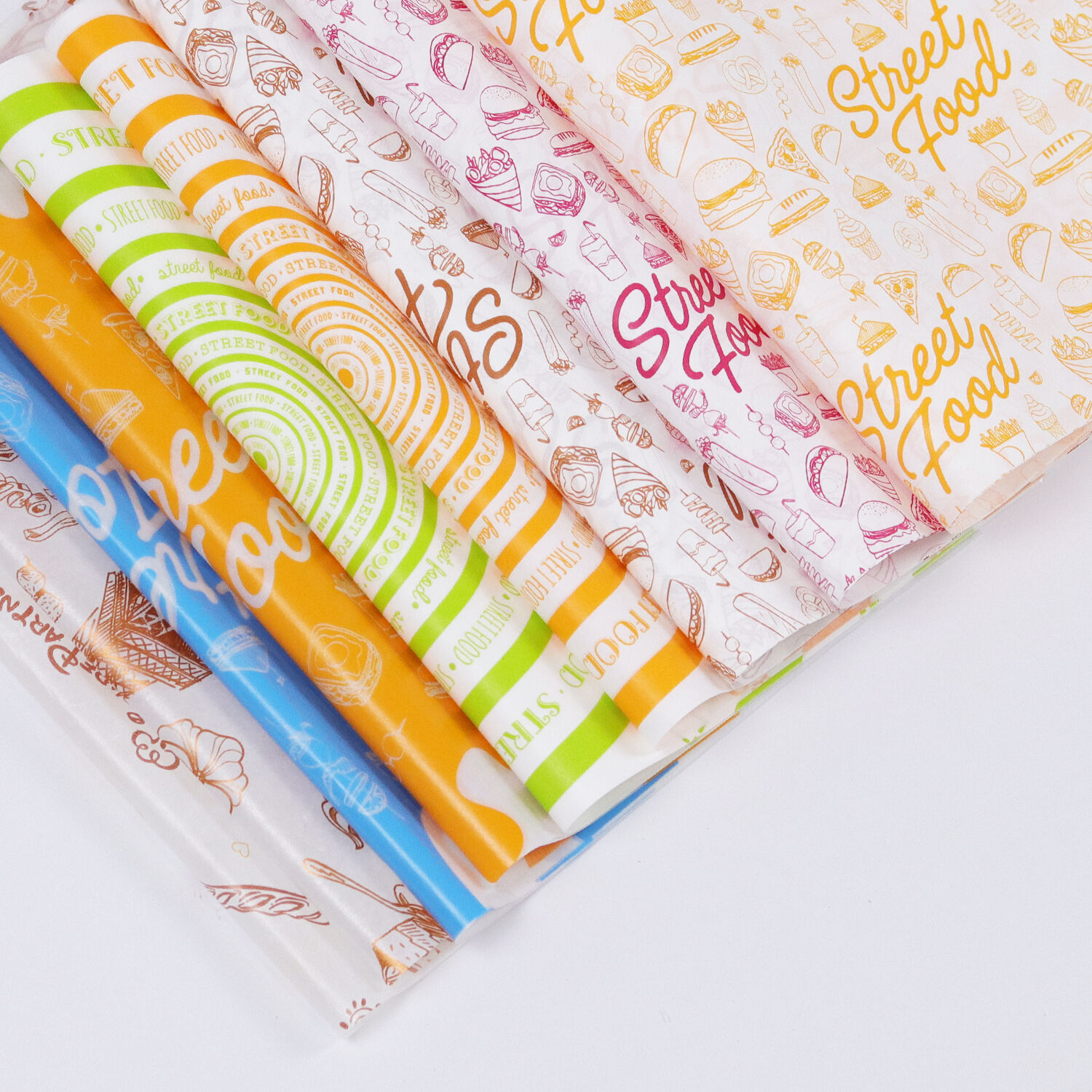
Greaseproof paper is a food packaging paper designed to resist oil and grease. It is commonly used in takeaway, bakery display, sandwich wrapping, burger wrapping, pastry packing, tray lining, and food presentation applications.
Its main strength is barrier performance against grease migration. This helps improve packaging cleanliness, maintain better appearance, and reduce oil penetration through the outer paper layer.
Greaseproof paper is often selected for:
- Burgers
- Sandwiches
- Fried snacks
- Pastries
- Bakery items
- Deli wrapping
- Basket lining
- Food service tray presentation
For B2B buyers, greaseproof paper is usually a practical choice when the priority is food contact packaging, oil resistance, and attractive presentation during serving or takeaway.
3. What Is Baking Paper?
Baking paper is designed for baking and oven-related food preparation. It is commonly used as a liner for baking trays, cake molds, pastry sheets, cookies, bread dough, and other products that require separation from hot surfaces during baking.
Its main value is heat resistance and non-stick performance. Baking paper helps reduce sticking during baking and makes it easier to release finished food products from trays or molds.
Baking paper is often selected for:
- Cookie baking
- Cake baking
- Bread preparation
- Pastry production
- Oven tray lining
- Food separation during heating
- Commercial baking operations
For B2B buyers in bakery production, central kitchens, and industrial food preparation, baking paper is usually the more suitable material when direct heat exposure is part of the application.
4. The Biggest Difference: Heat Resistance
The most important technical difference between greaseproof paper and baking paper is heat resistance.
Greaseproof paper is mainly engineered for grease resistance, not necessarily for prolonged high-temperature oven use. It performs well in wrapping, lining, and presentation scenarios involving oily foods, but it should not automatically be assumed to be suitable for baking environments unless specifically confirmed by the supplier.
Baking paper is specifically intended for heat-related applications. It is designed to perform in oven use and is generally selected when the material must remain stable during baking while also providing release performance.
For B2B procurement, this means:
- If the paper will be used mainly for wrapping, lining, or takeaway service, greaseproof paper is often the better option.
- If the paper will be exposed to baking or high-temperature oven conditions, baking paper is usually the more appropriate choice.
A common procurement mistake is choosing greaseproof paper for an oven-use application simply because it handles oily foods well. Grease resistance alone does not mean baking suitability.
5. Release Performance Is Also Different
Another important difference is surface behavior.
Greaseproof paper is mainly used to prevent oil and grease from soaking through. It may improve food presentation and packaging cleanliness, but its primary function is not always non-stick release under baking conditions.
Baking paper is more often used when easy product release is required after heating. In commercial baking, this helps reduce sticking, improve handling efficiency, and protect product appearance during production.
For B2B buyers, this difference matters in operations such as:
- High-volume cookie baking
- Pastry production
- Cake processing
- Central kitchen baking lines
- Ready-to-bake product preparation
If product release after heating is critical, baking paper is usually the safer and more functional choice.
6. Application Suitability: When to Choose Greaseproof Paper
Greaseproof paper is more suitable when the packaging or food service application involves oily or greasy foods but does not require direct baking use.
Typical scenarios include:
- Burger and sandwich wrapping
- Fried chicken or snack wrapping
- Bakery takeaway sheets
- Pastry display paper
- Deli counter service
- Fast-food tray liners
- Basket liners for dine-in or takeaway
In these cases, the buyer usually values:
- Oil resistance
- Cleaner packaging appearance
- Better food presentation
- Easier handling during service
- Custom printing potential for branding
Greaseproof paper is often preferred in retail food service and takeaway packaging because it balances practical performance with packaging presentation