EN
EN


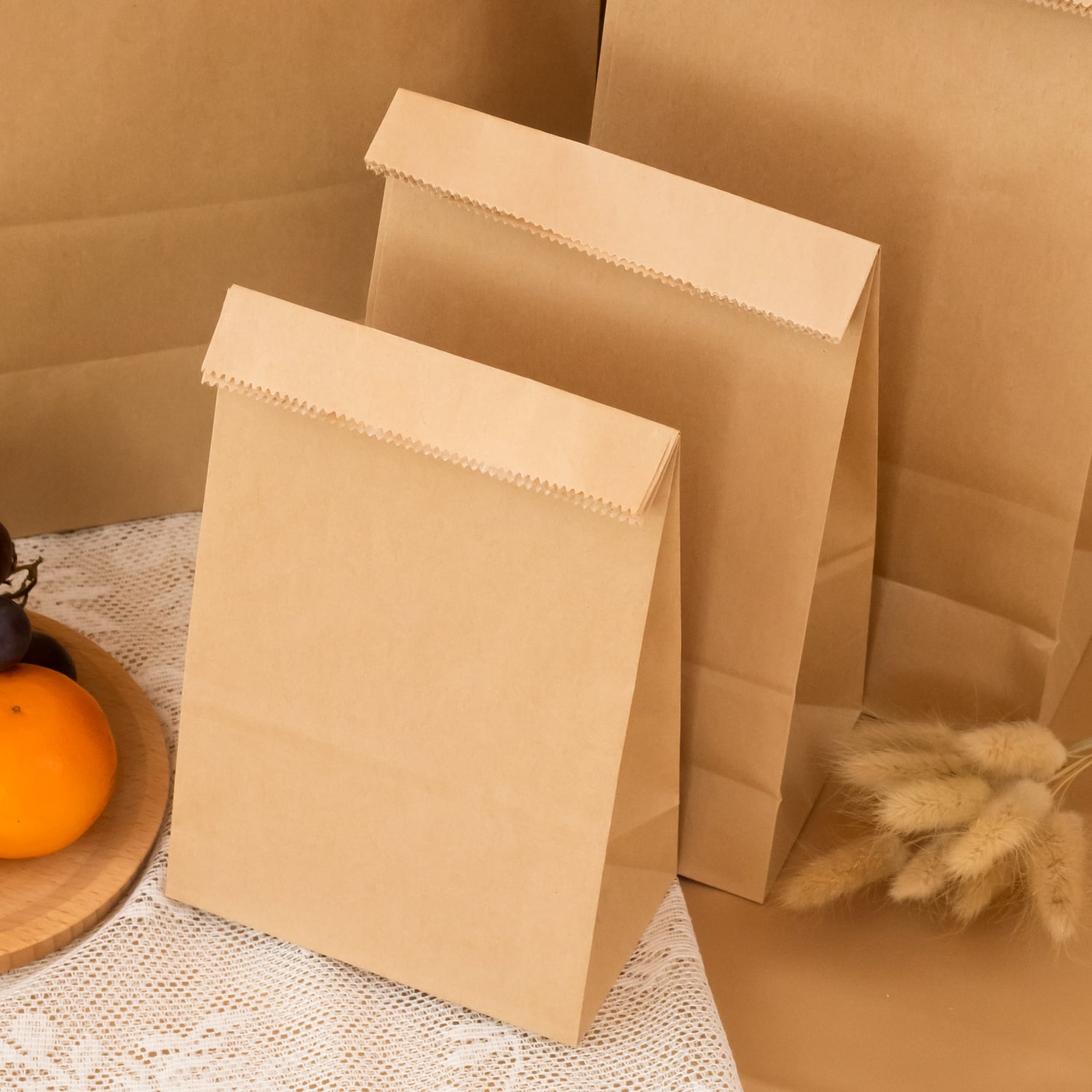
Sustainable food packaging is innovative and thoughtfully designed to reduce its environmental impact at every stage of its life cycle. Unlike conventional packaging that contributes to landfills and ocean waste, eco-friendly packaging will always consider packaging resource efficiency, recyclability, and biodegradability. Sustainable packaging considers the complete cycle, from the extraction of raw materials to the production and use of the packaging, and finally, its disposal. Sustainable packaging strives to replace the use of virgin materials and focuses on waste reduction by minimizing materials to provide ample protection to the food inside. Packaging that is made from recycled paper, compostable plastics, and packaging that suffocates food products to minimize oxygen interference is classified as eco-friendly packaging as it reduce reliance on virgin materials and breaks down easily after use.
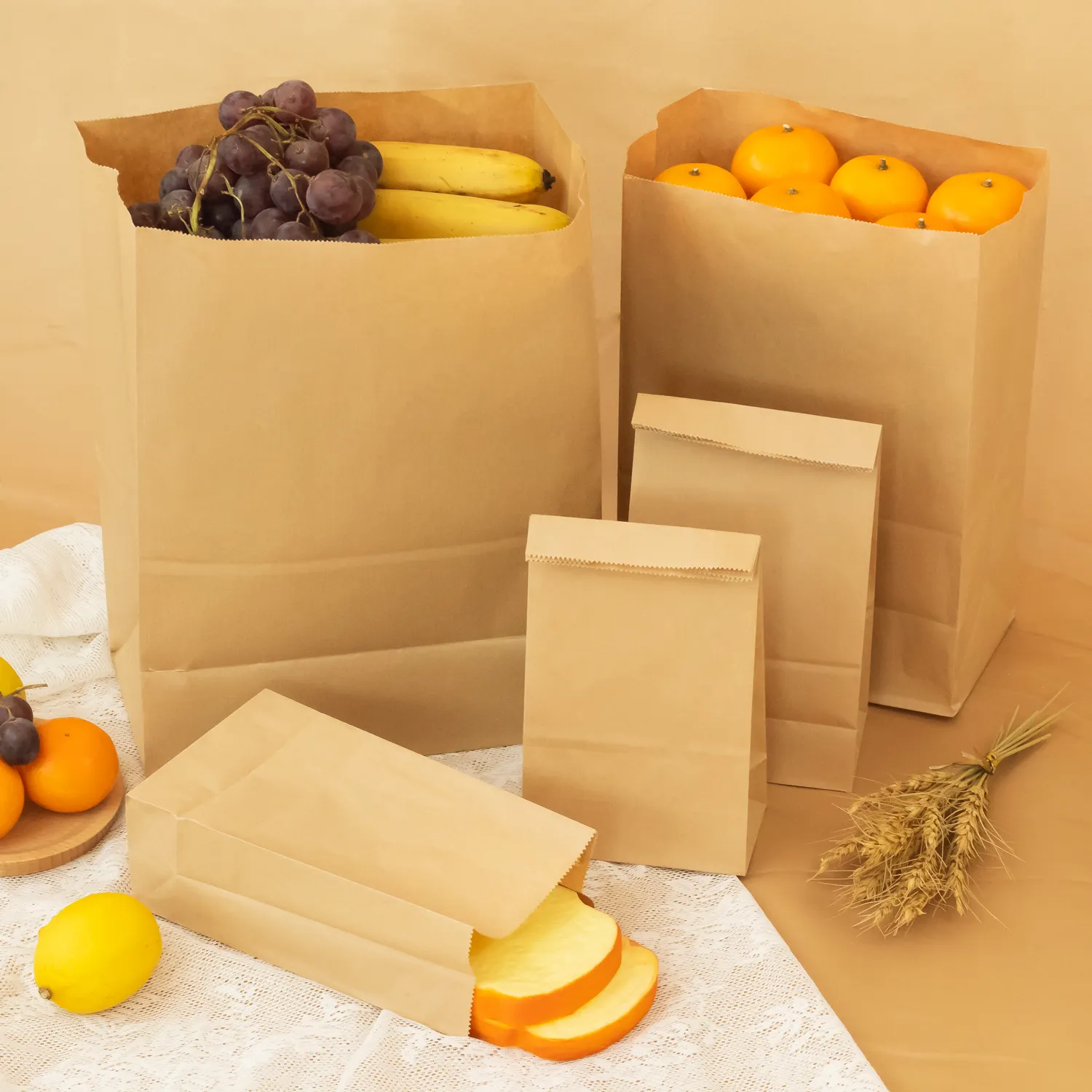
First we focus on the sustainability of the package materials. They have to be renewable, like bamboo, sugarcane, etc., or recycled, like post-consumer plastic or paper. Avoiding harvesting of new natural resources helps preservation of natural ecosystems. Second, during the production of sustainable food packaging, the manufacturing process should consume less energy, water, and toxic chemicals than conventional packaging. For example, the production of compostable packaging usually emits fewer greenhouse gases than production of conventional plastic. Finally, the manageability of the packaging through the end of its life cycle is essential. Sustainable food packaging cannot be total waste, long lasting waste. It should be reusable, compostable, or biodegradable. Some compostable options even become soil. This is a positive contribution to the packaging materials and to the environment.
For the environment, the greatest advantage is less waste build up. Unlike compostable or recyclable packaging, packaging waste, especially single-use plastics, takes centuries to break down. They accumulate in landfills, and pollute water bodies. Eco-friendly packaging waste is less, and takes less time to break down and can even be reused or recycled. They help cut down the greenhouse gas emitted and help in the combat against climate change. Most eco-friendly packaging is made from recycled materials, or sustainably harvested resources. It require less fossil fuel to produce them compared to virgin plastics and other non-sustainable materials, so the energy fuel depletion is lower, thereby lower climate change and environmental degradation. Eco-friendly packaging materials, help conserve natural resources. They help reduce the need for oil extraction for plastics, and logging or over harvesting for paper materials. Ocean and forest. logging and over harvesting will help conserve natural habitats like Hibernaculum and other natural habitats.
To businesses, adopting sustainable food packaging can increase positive brand recognition. This is because modern customers are more eco-friendly and are more likely to support businesses that adopt eco-friendly practices. This type of packaging can help businesses acquire and retain these customers. It can also be economically efficient in the long term. Although some of these materials may be more expensive at first, recyclable packaging options are available that greatly reduce waste disposal fees. For customers, sustainable packaging materials often provide a more effective means of food storage, and safety. Many of these materials contain food-safe chemicals, enhancing food storage safety. Some packaging design innovations also add to customers’ convenience. For example, some compostable packaging can be placed in home compost bins and helps reduce the need for waste sorting.
Innovations in material sciences have paved the way for other types of sustainable food packaging to emerge. Researchers are working on sustainable packaging made of more types of biomass waste, like algae and food waste. Aside from being biodegradable, these new materials degrade waste and have great barrier properties to maintain the freshness of food. The integration of closed-loop economies is aforementioned and affects more brands. Of these, more are adopting systems where packaging is collected, cleaned, and reused, or recycled as new packaging systems to transform waste. Smart packaging is on the rise, and for good reason. Combining sustainable packaging materials and tech, such as food waste sensors, ensures minimum food waste and allows consumers to use food before it spoils. Smart packaging accountable for significant waste reduction also supports consumer sustainability.
 Hot News
2025-12-24
2025-12-22
2025-12-19
2025-12-17
2025-12-15
2025-12-12
A global supplier of sustainable food packaging solutions, dedicated to quality, safety, and innovation.