 EN
EN


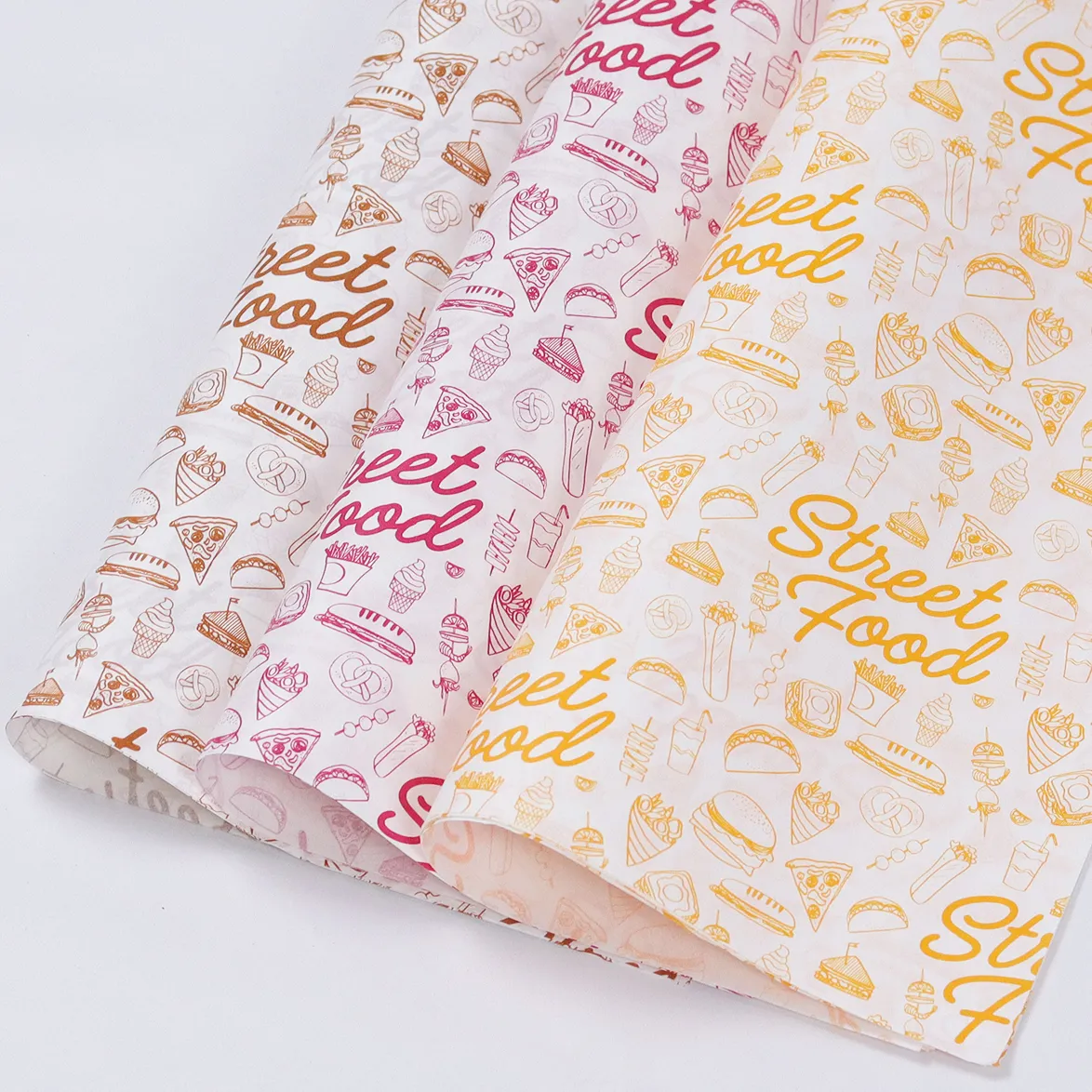
Use of Sustainable Packaging Materials that Meet Global Certifications
The first step in implementing sustainable packaging solutions in factories would be selecting suitable sustainable packaging materials that are also considered safe for use in packaging and distributing food. This poses a challenge as not every biodegradable and environmentally sustainable option available for use in producing packaging is appropriate for use in large-scale production. Because of this, factories must prioritize materials that are recognized and certified by FSC, BPI, and FDA. These certifications are a guarantee that the materials are considered sustainable because they are made of renewable and compostable materials, and are safe for use in food packaging. For several years, Richer Paper has adhered to these standards, meaning that all of its paper packaging materials are certified by the mentioned authorities, and because of its annual production capacity that exceeds 40000 tons, all global factories that require sustainable materials are provided with a constant and steady supply of sustainable materials. Selecting these certified sustainable materials allows factories to stay compliant with the various environmental packaging regulations regardless of the country or region, as well as for factories to remain within the appropriate quality standards for mass production.
Incorporating Sustainability in Design in the Production Process
The design of sustainable packaging should be in harmony with the processes of production. The challenge is to incorporate the design of packaging that is eco-friendly at all levels from prototype to mass production. The factory integrates the packaging design with the professional packaging partners to optimise the structures of the package, minimise the waste materials, and maximise the compatability of the design with the production line. Richer Paper adjusts all aspects of the packaging design from the first consultation to the last delivery to the factory, and the design of the packaging is adjusted to the production processes of the factory. For instance, the design of the greaseproof paper at the appropriate level of GSM is developed to meet the food processing factory and thus reduce the waste materials and oil leaks. One of the sustainable cafés that collaborates with Richer Paper, has through this integrated design process, achieved the mass production of compostable hot drink cups. The cups are user-friendly and can be used at high temperatures, and this has attracted the commendation of the consumers.
Revolutionize Supply Chain with Eco Friendly Packaging
A supply chain that works well is vital for the successful and ongoing introduction of sustainable packaging in factories. It is especially crucial for factories that have a global business footprint to work closely with packaging suppliers that have a global reach. Richer Paper has over 60 countries and regions under its supply chain, and has the utmost global supply chain. This enables them to provide flexible ordering including no minimum order quantities and free sample ordering. This type of supply chain is ideal for factories of all sizes, including start-up factories with low order volumes and large factories with a high production demand and Mass production. From the perspective of supply chain optimization, it is possible to achieve bulk procurement of sustainable packaging materials, which results in a reduction in transportation costs and carbon emissions while providing a global consistent packaging quality.
Balancing Cost Efficiency with Sustainable Goals
Many factories fear that sustainable packaging will lead to increased costs. However, with appropriate scientific planning, cost efficiency and sustainable goals can be met simultaneously. The primary consideration should be the selection of packaging partners with manufacturing and cost management capabilities, and flexible customization and bulk purchasing to lower unit costs. For over 20 years, Richer Paper has been focused on providing customers with sustainable packaging options that are cost effective. Their one stop purchasing service enables factories to order different types of paper packaging, including bags, cups, and wrapping paper, and reduce the time and costs associated with managing multiple suppliers. Richer Paper has helped a high volume catering factory reduce its overall packaging costs by 15%, as well as improving inventory management, due to the reasonable pricing and stable stock of eco-friendly packaging.
Sustainable Packaging as Brand Equity
Sustainable packaging goes beyond environmental duty; it means building brand equity for themselves and their co-branders. Today, more and more consumers are interested in how brands support environmental protection, and packaging sustainably is one of the most simple but effective ways to gain consumer loyalty in addition to increasing brand visibility. After using sustainable packaging, Richer Paper's 3000+ clients report significant growth in their business's/sustainable brand's social media visibility. Food brand marketing manager Elena Rodriguez notes the unification of the brand with the developed design of the Raw Paper packaging. For factories, sustainable packaging optimally provides several years of brand equity and advertising.
Sustainability with Continuous Improvement
Sustainable packaging solutions in factories are about ongoing processes, not one-off solutions, so it's imperative that improvements are made consistently as development occurs. Each factory must determine methods for tracking the Sustainable Packaging Materials (SPM), the amount of waste produced, concerns from partner brands, and regularly adapt packaging solutions from the data. Richer Paper has dedicated post sales employees who work with the factories and collect feedback. They work on the packaging material design and the associated production methods. For instance, based on requirements from the food delivery factories, the post sales employees improved the water and grease resistance of the sustainable packaging to enhance it's practicality. Packaging solutions can only sustain long-term solutions when factories adapt to ongoing improvements and alignment with the market needs.
Table of Contents
- Use of Sustainable Packaging Materials that Meet Global Certifications
- Incorporating Sustainability in Design in the Production Process
- Revolutionize Supply Chain with Eco Friendly Packaging
- Balancing Cost Efficiency with Sustainable Goals
- Sustainable Packaging as Brand Equity
- Sustainability with Continuous Improvement