 EN
EN


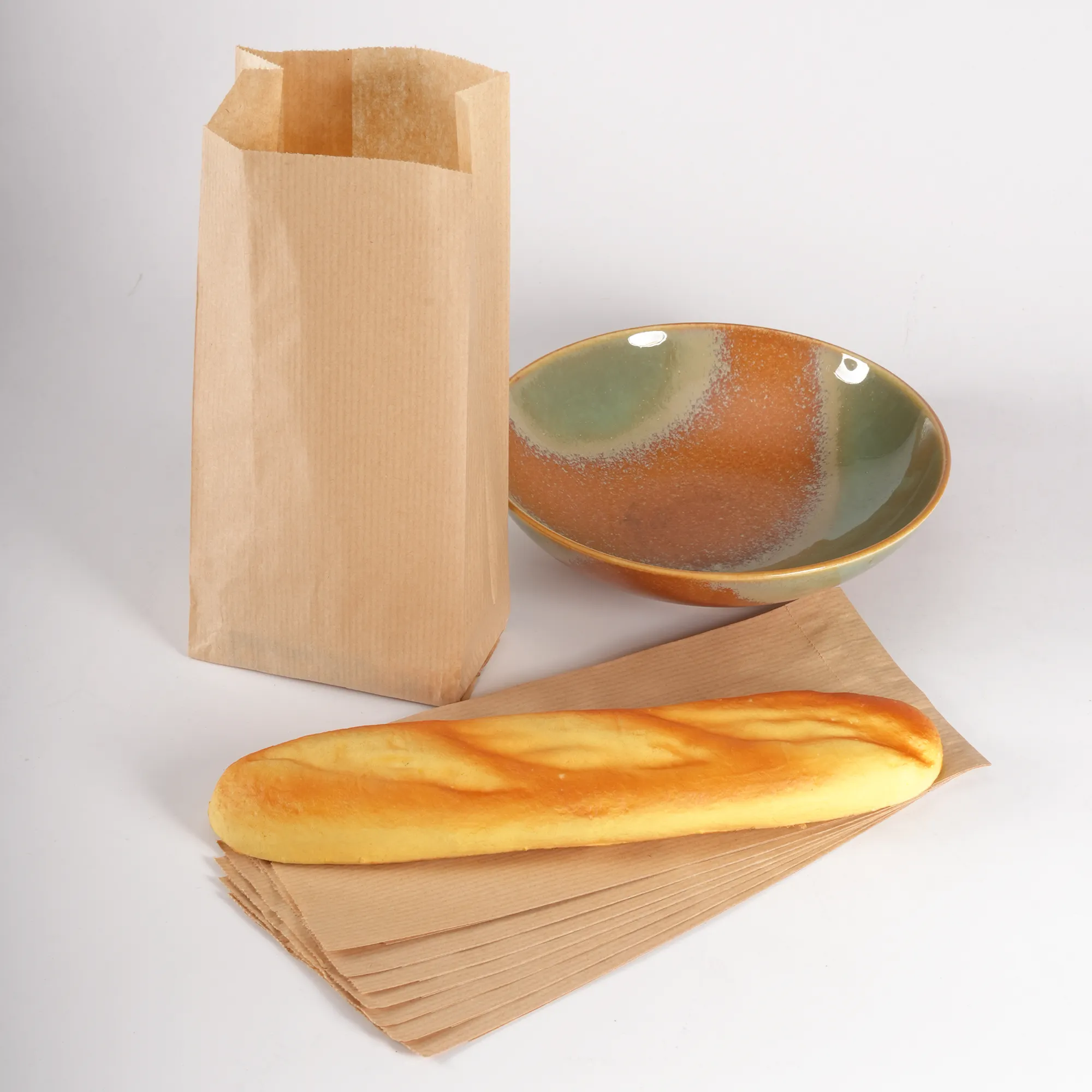
Kraft Paper Grades and What They Mean
When grading kraft paper, two main aspects need to be considered, and those are GSM and fiber quality, with each grade being focused on specific performance needs. In relation to paper, GSM, which stands for grams per square meter, determines how strong, tear resistant, and durable the paper is. The fiber quality also has a role to play in this, and the finest fibers are virgin wood fibers. However, in more eco-friendly alternatives, fibers from paper are used. Most of the reputable paper manufacturers today have a global fiber sourcing policy, like FSC, and other paper manufacturers utilize the FSC fibers, which means those fibers come from a paper mill that is certified to process paper that is fiber from paper mills that operate sustainably. The grading system and the many years of development that have gone into the paper and packaging industries have enabled the kraft paper used in the food and retail industries to meet the specific performance requirements for those uses. This extensive history has optimally balanced the functions, costs, and sustainability of the kraft paper for paper and packaging.
Lightweight Kraft Paper is Perfect for Packaging
Light grade kraft paper is between 20 and 60 GSM and is perfect for packaging uses that place little weight and stress on the kraft paper. Because of the paper's low flexible nature and the low cost, kraft paper is great for packaging bakery items, snack bags, and food liners. In our experience, the grade paper is the most suitable for packaging food that is dry, such as pastries and cookies. Other considerations for food packaging are that the packaging needs to be simple, and the food branding needs to be clear. A great benefit is that Light grade kraft paper is approved by the FDA for food contact. Light grade kraft paper is widely used for packaging at small European-style cafes. They utilize eco-friendly packaging and use light grade kraft paper for wrapping pastries. Many small and startup brands also appreciate the low shipping costs that come with using light grade kraft paper for wrapping their products.
Kraft Paper of Medium Grade Flexibility
Medium-grade Kraft Paper ranges from 60 to 120 GSM. Being the flexible type, they are widely used in the food and retail industry. Paper with good resistance to tearing and grease is easily used to make paper takeaway food bags, wrappers, and retail shopping bags. In addition to being food-safe, grease-resistant coatings can be added to this grade of paper making it useful in fast-food and causal dining establishments. This grade complies with the FDA food safety and printing regulations globally. This means fast-food and casual dining establishments can use this grade to promote brand awareness with high-quality prints. This grade allows food manufacturers to use their branding freely without restrictions.
Quality and Reliability of Heavy Grade Kraft Paper
Heavy grade kraft paper of over 120 GSM (grams per square meter) is made especially for the packaging of products that need the utmost strength and durability. This paper is thick and stiff and has great resistance to tearing and bursting. It can withstand heavy products and rough delivery. It is the most suitable paper grade for bulk food packaging, large retail shopping bags, and shipping containers that are made to carry food. An excellent illustration of this type of paper is large volume restaurants and grocery stores. They have specially designed this paper to be used for bulk grocery bags and family-sized meal kits. Kraft paper can be reinforced with additional layers to enhance its durability. It is also compostable and recyclable, however, this is only true if it is BPI (Biodegradable Products Institute) Certified. It is slightly more expensive than lower grades, however, the extra cost is an investment for businesses. This is because heavy grade kraft paper resolves packaging failure and product damage, leading to reduced waste and fewer complaints from customers.
Certified Kraft Paper Grades for Eco-Friendly Marketing
The grade of paper has been incorporating their sustainability over time, with the BPI and FSC being the most recognized worldwide. No matter the grade, FSC-certified kraft paper has the same guaranteed responsible sourcing of the fiber. BPI certified paper, on the other hand, is fully compostable, meaning you can throw it in with your compost at home or in a commercial composting facility. Because of their certified grades, we can promote eco-friendly packaging, which most consumers are looking for in order to make a purchase. Several global coffee chains and sustainable coffee shops have FSC and BPI dual certified kraft paper and claim it has given them a better image as a brand and has also improved their customer loyalty. BPI FSC certified grades of kraft paper are fully sustainable and are also in complete contravention of the global standard of pollution loss, while also providing the same strength, durability, and functionality as the non-certified grades.
Selecting Which Grade of Kraft Paper Best Suits Your Business Needs
Understanding the specific grades of kraft paper requires a self-analysis of how the specific grades of kraft paper pertain to your unique business needs. Packaging paper may/will relate to your values as a brand, as well as your budget. Light grades paper is helpful for packaging dry and light food products, as well as for small retail items. Medium grades paper is better for food and retail packaging as it is better quality, more cost-effective, and more functional than light grades. When it comes to bulk packaging, the only paper option is heavy grades paper due to the increased durability it offers for packaging. Eco-friendly and sustainable branding will cost you, so for the improved long-term brand value of your business, it is best to 'tighten the budget' in order to become more centred around the fully recyclable grades of paper, and the grades that are certified BPI and FSC. Prior to making bulk purchases of paper, it is important to test samples in order to assess the quality of the grades of paper that will be used in your packaging, as it is easy to misjudge the quality of paper grades. Sample testing will ultimately result in the selection of the quality grade to best meet the needs of your business, and ultimately cost savings in the long-term due to reduced wasted paper. Sample testing should be done to result in the selection of the quality grade that can best meet your business needs, and that can save you long-term costs due to reduced wasted paper.
Table of Contents
- Kraft Paper Grades and What They Mean
- Lightweight Kraft Paper is Perfect for Packaging
- Kraft Paper of Medium Grade Flexibility
- Quality and Reliability of Heavy Grade Kraft Paper
- Certified Kraft Paper Grades for Eco-Friendly Marketing
- Selecting Which Grade of Kraft Paper Best Suits Your Business Needs