EN
EN


GSM stands for Grams per Square Meter. It is a standard measurement of the weight and thickness of paper. It is a measure of how many grams a square meter of paper weighs. It is that simple. The bigger the number the thicker and heavier the paper is. The smaller the number the thinner and lighter the paper is. This measurement is not arbitrary. It determines what the paper feels like, how it works, and how it will perform for different purposes. For example, a thin paper with a low GSM is easily perforated and works well for wrapping light snacks. However, it will not work for carrying heavier items like bottles or cans. It will tear easily.
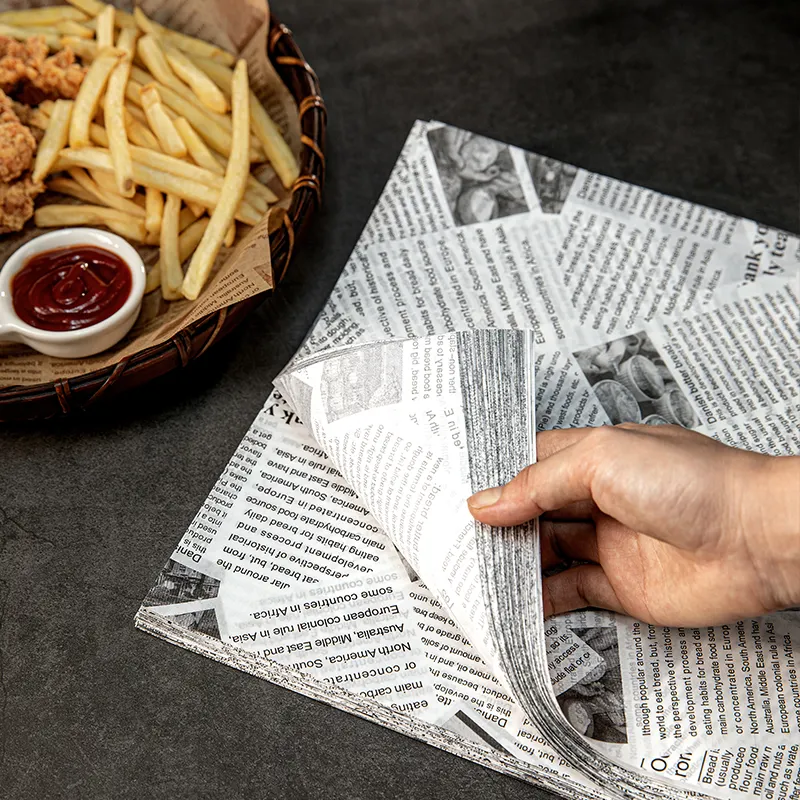
The term “GSM to GSM” in paper selection means switching between different GSM values to see what works best for a certain use. It’s not a matter of a certain range but about finding a match of the paper weight to what the use is for. The point is that for every use, there is an optimal range of GSM. Choosing a GSM too far from the ideal will result in waste, underperformance and unhappy customers.
To be able to choose the right paper for a specific purpose, one has to know the relevant GSM (grams per square meter) level. Let’s take food wrapping for example. For light snacks such as pastries or sandwiches, 80 to 120 GSM paper is often adequate. It is light enough to be wrapped tightly, yet strong enough to hold and not tear the food. For takeaway bags that hold heavier food like a full meal and a drink, a higher GSM, usually 150 to 200, is necessary. Thicker paper at this range works without stretching or tearing.
Hot cups are another example. The higher weight helps insulate the heat a bit, so customers don’t burn their hands. If you need double-wall cups for extra insulation, the GSM might go up to 250 to 300 as the extra layer needs more thickness to work effectively. Even something like burger wrapping needs a balance—too low GSM and it soaks up grease; too high and it’s stiff and hard to fold. Most burger papers fall in the 100-140 GSM range to resist grease while staying flexible.
People often make mistakes with “GSM to GSM” choices because they choose a GSM that’s too high or too low just because that’s what they are used to, not because that’s what the job calls for. For instance, using 200 GSM paper for simple food wrapping like a small cookie is a waste. You are paying for extra thickness that is not needed, and the paper might be too stiff and not easy to wrap. Conversely, using 100 GSM paper for a takeaway bag that is meant to hold heavy items is going to lead to the bag ripping which is wasteful and going to frustrate customers.
People make mistakes by not understanding how GSM interacts with other properties of paper, like coating or material. For instance, a 150 GSM paper with a grease-resistant coating is going to be better for wrapping fries than a 180 GSM paper without the coating because the 180 GSM paper is going to absorb grease quickly. This just shows that “GSM to GSM” is not about weight alone but about how to combine weight with other features optimally.
Start with the key requirements of the paper product to get the “GSM to GSM” selection right. Questions to ask include: What will it hold? How much weight will it? Will it come into contact with liquids or grease? How does it need to feel (flexible, stiff, lightweight)? Once you have these answers, the ideal GSM range will be a lot easier to determine.
Engaging different GSM levels is a good idea before making a large order. You can test with different GSM paper samples. Some suppliers will even give you a 120 and 150 GSM paper sample to test while wrapping a sandwich to see which holds the best while wrapping with food. Consider the use: does the 120 GSM tear too easily while wrapping the sandwich? Is the 150 GSM too thick to fold easily? You will be able to save (and waste) a lot of time, effort, and money with these simple tests.
Don’t forget to take sustainability into account with paper GSM. An eco-friendly certified (FSC or BPI) paper with a slightly lower GSM might be a better alternative than a paper with a higher GSM that is not eco-friendly—especially if the lower GSM paper still meets your functional needs. That way you are not only choosing the appropriate weight, but also reinforcing your commitment to sustainability.
 Hot News
2025-12-24
2025-12-22
2025-12-19
2025-12-17
2025-12-15
2025-12-12
A global supplier of sustainable food packaging solutions, dedicated to quality, safety, and innovation.