EN
EN


Bread preservation is optimal when it can “breathe” and create a balance between the retention of moisture and confluence of air to prevent staleness and mold growth.
Use moisture permeable, natural food grade, and crafted containers that will let most moisture escape but still hold onto enough moisture to keep the bread optimal profiling condition. Fully sealed containers in bread preservation cause the moisture and water vapor to fully saturate the air space, which is a prime condition for bread rapid spoilage. Bread that is. Place moderately moisture permeable netting to dry bread sets, slightly venting to let the moisture escape with impeding the moisture control between hydration losses and moisture gains to vary with rapid changes in moisture.
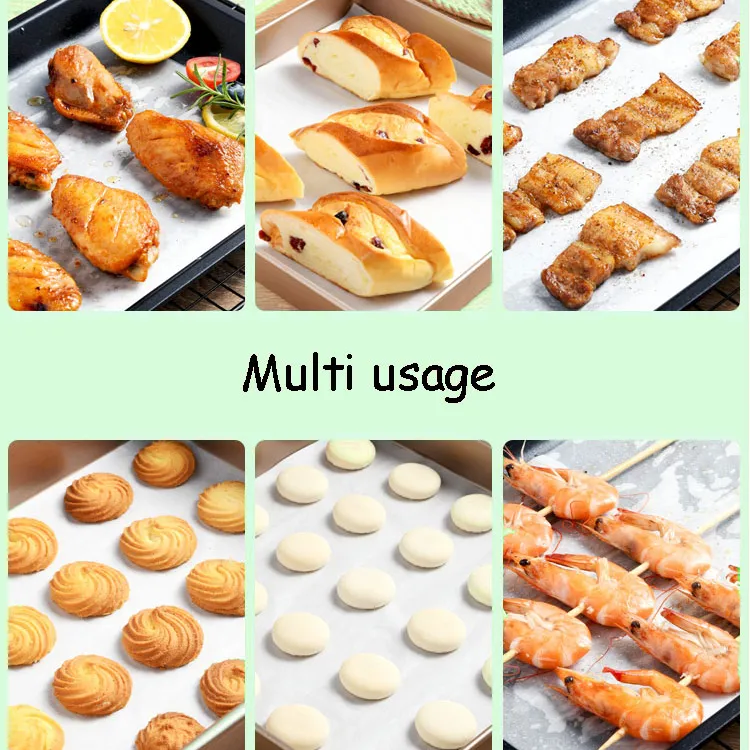
Many kinds of artisan and filled breads have buttery doughs and cheese fillings or fruit preserves, which can affect the packaging’s ability to keep the product fresh or release excess oils and moisture. For these types of breads, select packaging designed for bakeries and keep your breads safe from leaking oils. The moisture from breads like brioche or banana bread can also combine with the packaging, but this can be mitigated by using food safe greaseproof paper with thin moisture retention barriers. The combination of dual-layered moisture retention barriers and greaseproof paper work to keep breads fresh by ensuring the product does not become dry, greasy, or sticky.
A common factor that leads to stale bread is excess air stuck inside the packaging. Stale bread is dry bread; oxygen speeds up the staling process by breaking down starches. Pick packaging designed to fit your bread loaves snugly to reduce any gaps excessive air can hide in. Custom designed bags or wraps eliminate the need to overstuff bread or leave open gaps that trap air. Custom packaging for bakeries that sell different loaf sizes also provide tailored options for the bread to be completely closed, leading to better air retention for moisture and fresher bread. This improves presentation by keeping the bread’s shape intact during transport.
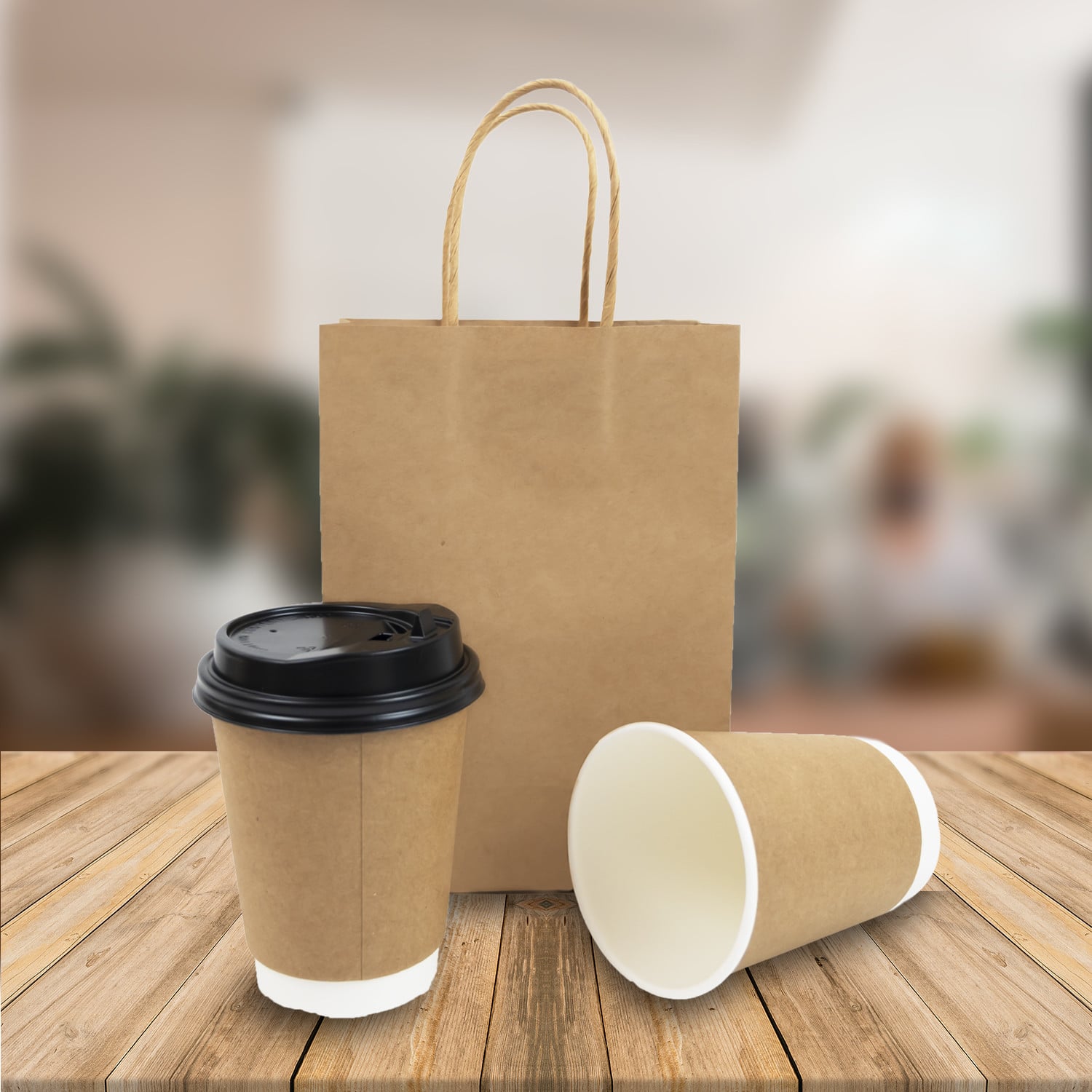
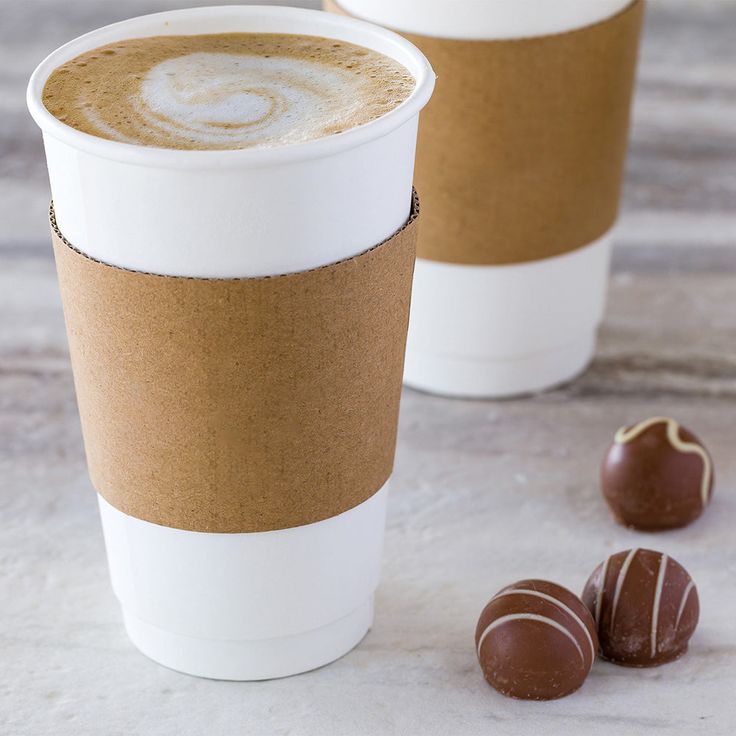
Eco-friendly options support sustainable packaging and protect the freshness of food items. Select compostable or recyclable materials that insulate bread from extreme temperatures that may lead to condensation. For instance, double-wall paper packaging offers insulation, thus stabilizing the temperature of bread while in transit or on the shelf. These sustainable alternatives may even perform better than conventional packaging and satisfy the increasing consumer demand for eco-friendly options. Customers also may appreciate packaging designed to be microwaveable, easy to open and reseal, and to be transferred to other containers for storage.
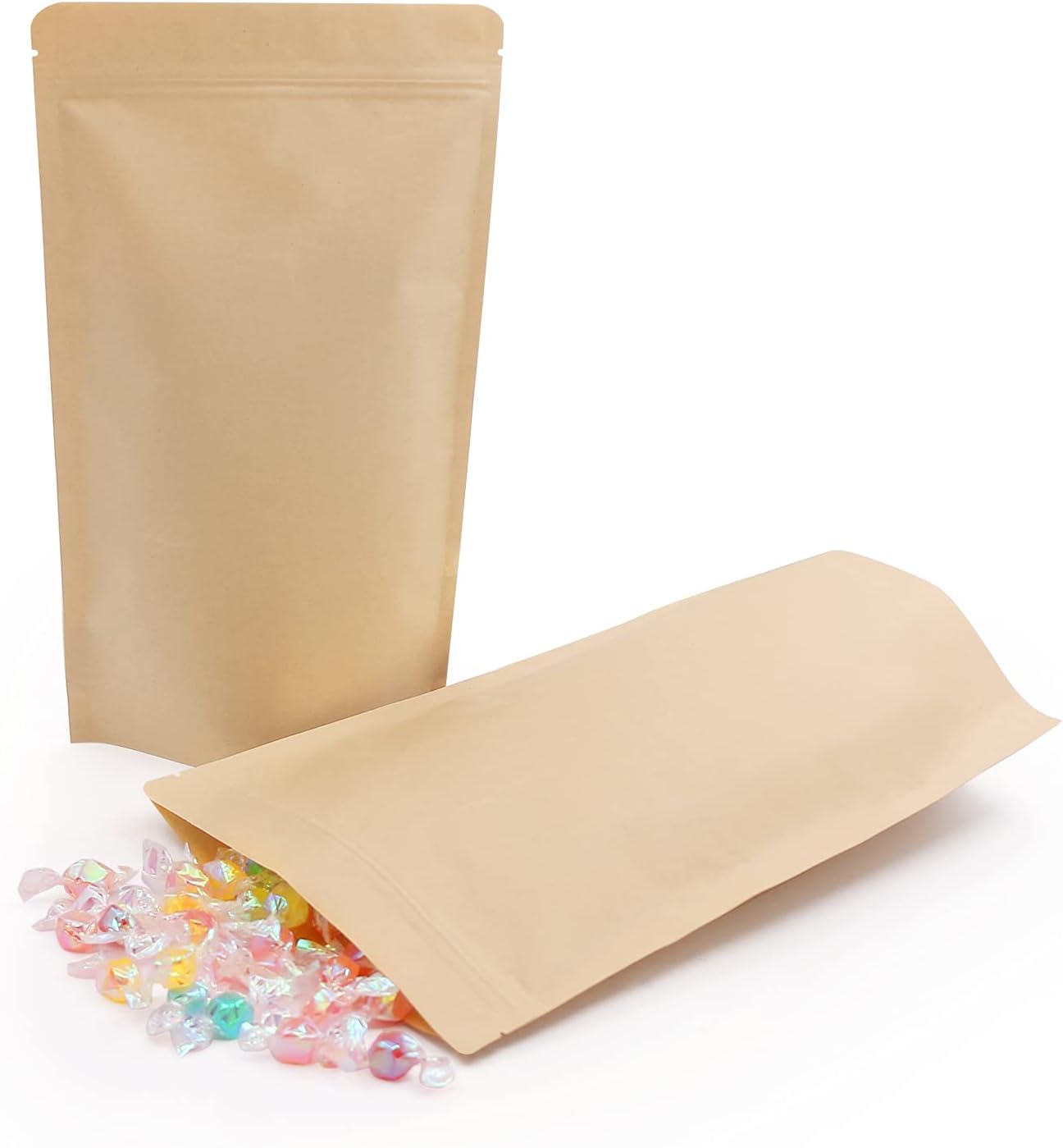
Bread gets staler quickly due to air, humidity, and other contaminants. Offering easy resealable features lets customers close the bread quickly with strips or tabs after each use, and also helps extend the shelf life of the bread. Resealable packaging offers great value for larger family sized or multi-packable products. Resealable features also should be durable enough to be kept sealed, to protect the bread for the remaining consumption period.
Bakery packaging should preserve and protect bread while transport from the store to the customer's home. Select designs that balance lightness and stability so that they do not get crushed. For example, rigid paper bags that have reinforced bottoms or structured wraps help keep the bread's shape, even when they are stacked or carried with other things. Flimsy materials that easily tear should also be avoided because broken packaging can expose the bread to air and other contaminants. Flat surfaces or easy-to-hold handles are also great additions to the packaging to make transporting the bread easier without losing its freshness.
Informative labeling of packaging enables customers to determine how to store their bread and keep it fresh. Advise how to avoid mistakes with storage instructions like, “Store in a cool, dry place” or “Refrigerate for extended freshness”. Including a “best by” date can also help signal when the bread should be consumed to appreciate the peak quality of the bread. Including instructions on how to best store specialty breads, like sourdough, with longer freshness, “To refresh, wrap in foil and warm in oven for 5 minutes,” gives customers the control to keep the bread fresh and certainly adds value to the offering.
 Hot News
2025-12-24
2025-12-22
2025-12-19
2025-12-17
2025-12-15
2025-12-12
A global supplier of sustainable food packaging solutions, dedicated to quality, safety, and innovation.