EN
EN


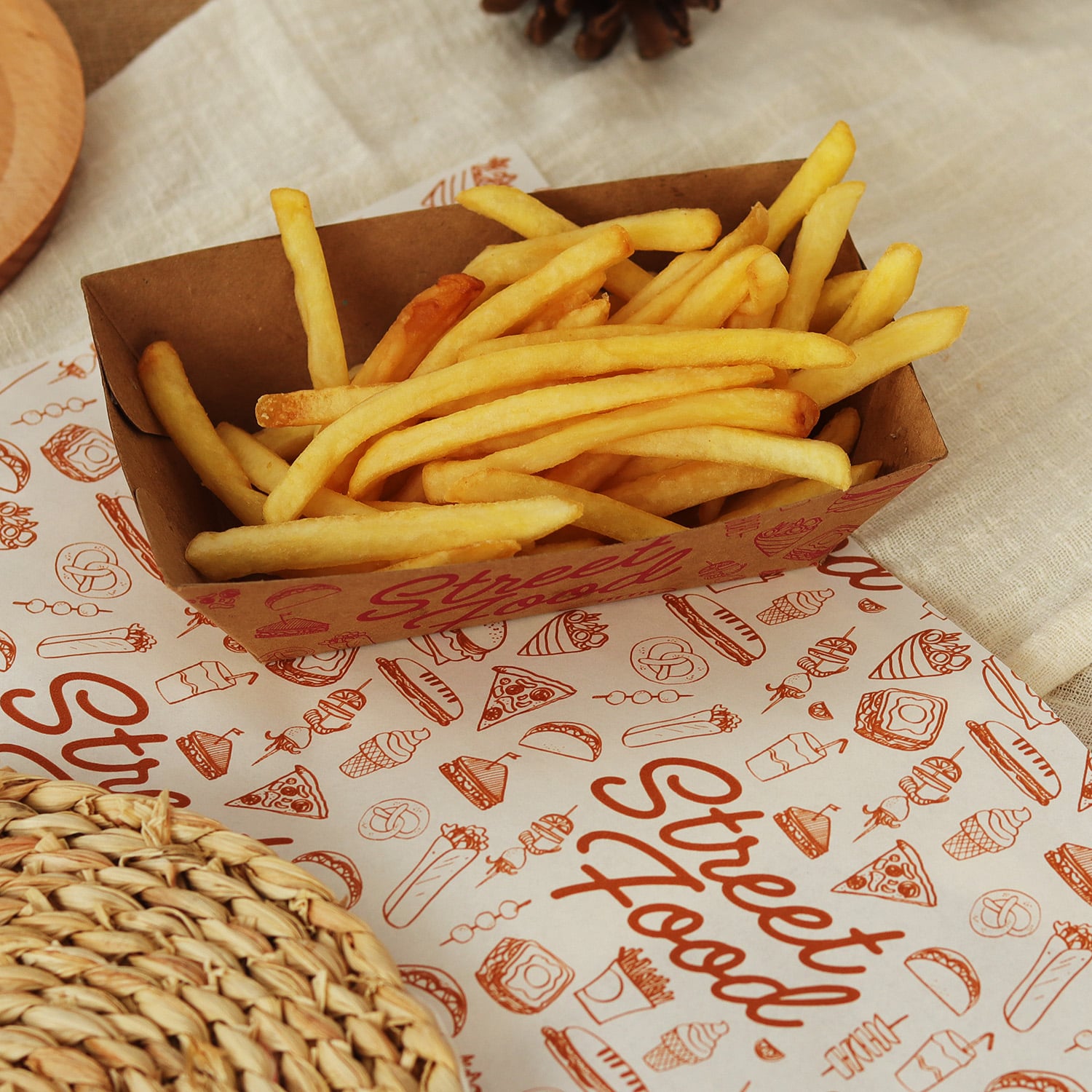
GSM is considered one of the most important pillars of the paper's weight and thickness characterization. People with little knowledge in understanding GSM are costing themselves the affordability and versatility in paper food packaging. The denomination of paper in GSM is the most balanced in terms of cost, convenience, and sustainability. It is one of the most significant aspects of food packaging, determining the overall food protection and replication of food. Packaging paper plays an important role and provides an image of the brand whether it is wrapping paper of burgers or a durable pouch of takeaways.
Having the right amount of GSM is not a small detail. In food packaging, it means one of three things: durability, functionality, and sustainability. In food packaging with lower GSM, the possibility of ripping the paper is always greater. If such a GSM is used, it is possible to not block grease protection, especially with fried food, resulting in a major food safety and presentation risk. It is also important to understand the positive and negative sides of extremely high GSM. There is a wastage of material of such magnitudes which increases cost, resulting in an increased carbon burden on the environment. The most eco-friendly brands fully comprehend the positive and negative sides of GSM to produce the most effective packaging in a confident manner, which is a value-added point with respect to FSC and FDA food safety standards.
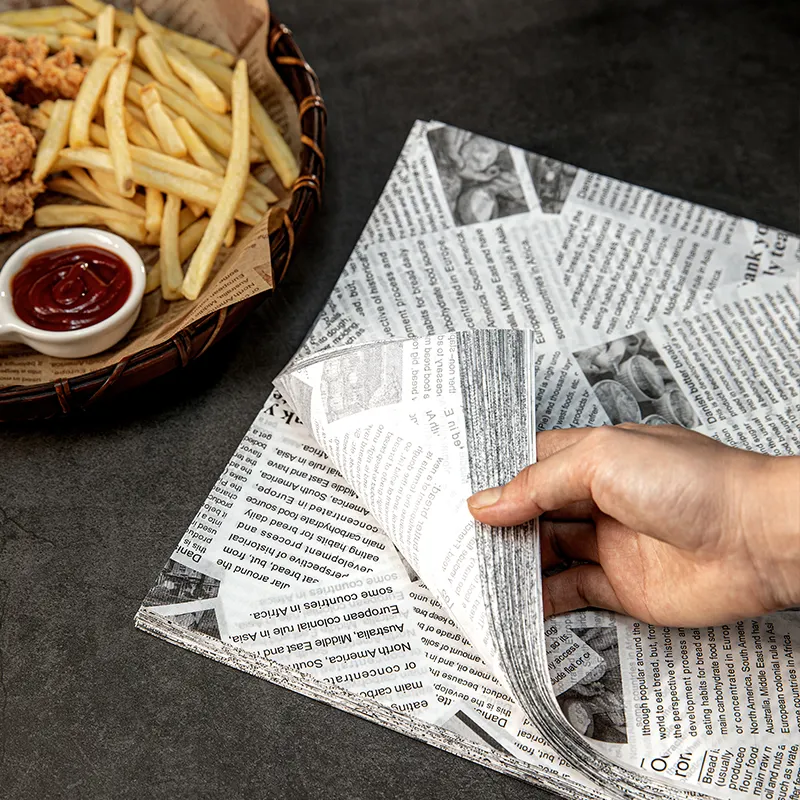
Food packaging comes in a range of GSM numbers for different packaging options. For example, greaseproof paper that is used for wrapping burgers, fries, or deli items works at 15 to 30 GSM as it is dense to help prevent grease leakage while remaining lightweight.Another example is Kraft paper bags that come in 30 to 80 GSM for groceries, gifts, or takeout, with lighter options being used for smaller items and heavier options used for bulk items. Single and double wall hot cups that have insulation and prevent heat transfer as well as maintaining structural integrity with hot drinks require 180 to 300 GSM. Another example is sandwich bags and resealable food storage bags that are at 25 to 40 GSM, balancing freshness retention and flexibility.
However, selecting GSM does not only depend on food packaging options. \*For example, when selecting food packaging, you must first assess the usage. For example, you should ask yourself if the packaging will be holding heavy items, if it will come into contact with hot food, and if it will have to be grease resistant as that will determine the minimal GSM you can use for performance. Another example is the product you will be packaging inside the food packaging as fragile or perishable items are likely to result in the use of higher GSM for durability. Another example is your own personal the goals as selecting the lowest effective GSM in material use reduces the GSM and supports recyclable and compostable items. Another example is printing as higher GSM papers will have sharper, more vibrant customized prints which is good for making your brand more visible.
One of the most commonly held beliefs is that more GSM means better quality. In truth, the most appropriate GSM is relative to the use case at hand. For example, utilising 300 GSM paper to package lightweight sandwiches would be wasteful, whereas, 20 GSM would be insufficient for packing heavy takeaway bags. Another misconception is that GSM is equal to thickness—while more GSM means thicker paper, the fiber type and manufacturing processes also come into consideration. Some eco-friendly, recycled fibered papers deliver adequate strength at lower GSM for specific applications.
To make an informed choice, try out GSM samples in real world scenarios. For example, wrap hot burgers in various GSM greaseproof papers to evaluate the grease resistance of the paper. Or use kraft bags to test the strength of the bags under load. For customized GSM recommendations, consult experts in packaging for food-safe materials. To be sure that the papers are functional and complied ethically, choose papers with global certifications for safety and sustainability. By being smart about the selection of GSM, you will be able to provide packaging that not only keeps the food safe and secure but also promotes the brand and helps with alleviating the impact on the environment.
 Hot News
2025-12-24
2025-12-22
2025-12-19
2025-12-17
2025-12-15
2025-12-12
A global supplier of sustainable food packaging solutions, dedicated to quality, safety, and innovation.